
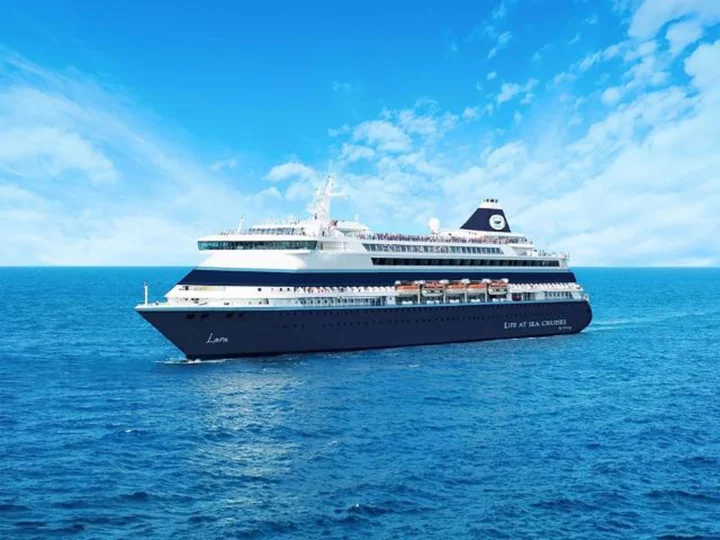
The three-year cruise is running late -- again
Life at Sea's three-year cruise is still struggling to get afloat, with a new departure date rumored to be November 30. Passengers have been told not to book travel until they receive further updates.
2023-10-27 17:49

Apple 'Scary Fast' Mac event: The entire thing was filmed 'on a tiny little iPhone'
My jaw dropped when I read the final words of Apple's "Scary Fast" Mac event:
2023-11-01 01:46

McDonald’s Removes ESG Abbreviation From Some Parts of Its Website
McDonald’s Corp. quietly removed the term “ESG” from some parts of its website at a time when environmental,
2023-08-12 03:49
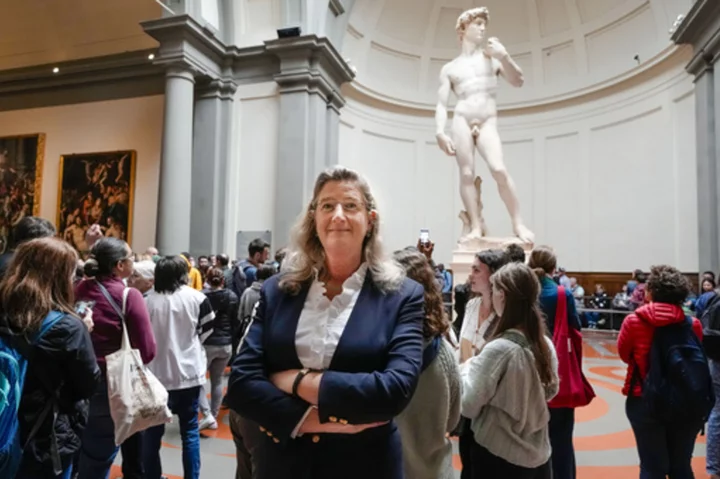
German director of Florence's Accademia Gallery who fought for David's image worries for job
The German director of Florence’s Accademia Gallery has succeeded in drawing visitors’ attention to masterpieces beyond Michelangelo’s towering David, while winning landmark court cases to protect the marble masterpiece’s familiar image against misuse
2023-07-18 14:18

Lewis Hamilton says ‘totally wrong’ weather forecast cost Mercedes a podium spot
Lewis Hamilton said he “paid the price” for Mercedes’ strategy blunder at the start of Sunday’s Dutch Grand Prix. Following a first-lap downpour in Zandvoort, Mercedes were too slow to put both Hamilton and team-mate George Russell on the intermediate tyres. The poorly-timed stops left Hamilton and Russell – who was third on the grid – 13th and 17th when the order shuffled out. “We should have pitted, but we didn’t, and we paid the price for that,” said Hamilton who eventually crossed the line sixth as Max Verstappen claimed his ninth win in succession. “Today I had the pace, and I was on pace with Max, but we were just out of position. “I was pretty happy with my drive to back into the points. I got sixth. But it could have been higher, for sure.” Sergio Perez started seventh but assumed the lead of the race after he was called in by his quick-thinking Red Bull team on the first lap. With the rain still falling, Verstappen, quite rightly, stopped the next time round but Russell stayed out on the slick rubber despite the worsening conditions. Hamilton, who started 13th, was also sent round for another lap despite the seven-time world champion’s obvious concerns. “We should have come in, man,” said Hamilton over the radio. “It is very wet.” “Copy, Lewis,” said his race engineer Peter Bonnington. “We’re going to stay out. We’re going to have to brave this.” But at the end of the third lap, Hamilton was in for wet tyres. He rejoined the track in last place. Russell was still sliding around on slicks before he was changed on to the wet rubber at the end of lap four. “I was forecast a podium,” said Russell on the radio. “F***, how did we mess this up?” Russell was classified 17th after he collided with Norris in the closing stages and sustained a left-rear puncture. “The race was over before it really got started,” said the 25-year-old Englishman. “The information we got about the weather was totally wrong. “We thought the rain would last a couple of minutes but it clearly lasted for longer. It was a real shame. A podium was missed. “As a team we need to review because we are getting the information coming into us and it was misjudging the weather. It is not anything to do with racing or engineering. It was just a weather misinterpretation and that ruined our afternoon. “So we need to look into that, to see why the others decided to pit and what information they had that we didn’t, and make sure we don’t make the same mistake again.” Mercedes team principal Toto Wolff said: “That was a difficult day for us. In the opening 15 laps, we got pretty much everything wrong that we could have done – and that cost us any chance of fighting for the podium. We will review thoroughly.” Read More Charity boss speaks out over ‘traumatic’ encounter with royal aide Ukraine war’s heaviest fight rages in east - follow live How Max Verstappen equalled Sebastien Vettel’s record for consecutive race wins Max Verstappen reveals Sebastian Vettel prediction as he closes on GP record run Max Verstappen is one of the best drivers in F1 history – Lando Norris
2023-08-28 02:19

This electric Gua Sha is only $60
TL;DR: As of September 8, get the SkinGear Electric Facial Gua Sha for just $59.99
2023-09-08 17:19

The Runways Have Spoken — Chocolate Brown Will Be Fall’s Biggest Color Trend
After many seasons of dopamine dressing, a year of Viva Magenta, and a summer of Barbie pink, the color trend pendulum is swinging back to neutrals. As we ease into fall, fashion’s new favorite hue perfectly coincides with the falling leaves, TikTok’s latest hair color trends, and higher demand for hot cocoa: chocolate brown.
2023-10-18 03:28
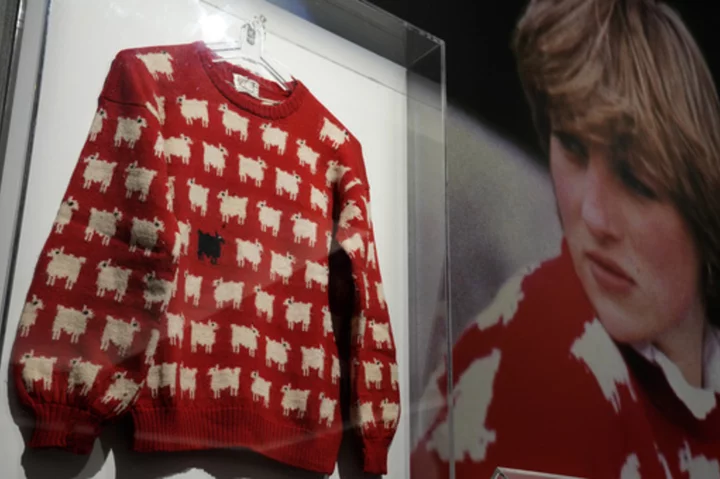
Princess Diana's sheep sweater smashes records to sell for $1.1 million
A red sweater adorned with a flock of sheep worn by the young Princess Diana has sold at auction for $1.1 million
2023-09-15 21:19

Is bottomless prosecco going to be killed off by climate change?
Picture this. The group chat has finally settled on a date and we are going out. Out out. Women of most ages know how serious this is. There was probably a spreadsheet involved. Boyfriends and husbands have been dispatched to the pub. Children and dogs have been dropped off at the sitter. Dignity has been left at the door. One of us is waiting for it to be cancelled so we can stay at home with our loungewear and girl dinners (it’s probably me). There’s only one thing for it. Bottomless brunch. Many Asos orders and outfit changes later, we arrive, take our seats and start the binge drinking timer. There’s only one problem. No prosecco. Freshly manicured fists pound the table. The elected Karen of the group starts to verbally pulverise the staff. Eggs Benedicts are thrown against the walls. The Prosecco Huns exclaim in unison: “But what are we going to drink now?!” The waiter bashfully suggests: “Spumante?” Give over. According to a new study, this could be a reality in the near future thanks to climate change threatening vineyards across Europe, in particular those dedicated to glera (the beloved prosecco grape) in Northern Italy. In a detailed report in iScience last month, researchers warned that unpredictable weather, soil degradation and drought could lead to the loss of a millennia-old winemaking tradition, and the livelihoods attached to it. RIP the Prosecco Hun. The Italian sparkling wine has long been the fizz of choice in the UK (we were only dethroned as the world’s biggest prosecco guzzlers last year by the US). In the early 2010s, more than a third of all the prosecco shipped out of Italy worldwide ended up in Britain – approximately 131 million bottles a year. That’s nearly two bottles per Brit. You get the idea. The origin of our obsession with prosecco dates back to just after the 2008 crash, when consumers were looking for an alternative to expensive champagne. The softer tasting, far more affordable (thanks to its cheaper and speedier production time) and incredibly quaffable prosecco was the obvious choice. Bottomless brunch was born. “My heart goes out to the huns whose weekends simply aren’t complete without a bottle of prosecco,” Hannah Crosbie, founder of Dalston Wine Club, laments at the news that just 15 years after it stormed onto supermarket shelves, prosecco might be quietly forced to say arrivederci. “In all seriousness though, climate change is seriously threatening every aspect of winemaking, and growing conditions are only getting more challenging.” Prosecco is certainly not the only vino at risk, but it faces a unique issue. Where other wine growing regions affected by climate change such as Champagne and Burgundy can simply put out a limited run with an inflated price tag and keep the snobby oenophiles coming, prosecco’s USP is its ability to produce in bulk and at a fraction of the cost. English sparkling is a big winner with the climate going the way it is. Prosecco, by all accounts, seems like it’s a bit of a loser in that regard Will Amherst, head wine buyer at Trullo Ali Finch, group sommelier at Angela Hartnett’s Michelin-starred Italian restaurant Murano in Mayfair, doesn’t believe there’s an appetite for a higher quality, more expensive prosecco. “With the impact of the climate as well as the cost of producing wine increasing, the challenge for prosecco is going to be how to balance the expectation of its price point with the need to make slightly smaller quantities,” she tells me. “Regions like Chablis, for instance, have had multiple horrible vintages back to back and people just accept the fact they have to pay more for it if they want to drink that wine.” For the uninitiated, the word “vintage” on a wine label simply means the year the grapes were harvested – compared to regular wines that may include grapes harvested in multiple years – and each vintage can taste vastly different based on the conditions affecting the grapes in that year. Chablis, produced from chardonnay grapes in the northernmost district of Burgundy, has always been particularly affected by the climate due to its geography, but in recent years has seen frost in 2016, 2017 and 2021, and drought and higher temperatures in 2019 and 2020. This has dramatically affected those vintages, and driven up the price of bottles from “good” years. But with prosecco, “people potentially wouldn’t be interested in” paying a higher price, Finch says. This is partly because its brand has become more associated with cheap fizz than fine wine in Britain. Part of the problem also lies in the simplicity of its production. Prosecco is a wine that reflects the aromatics of the grape at the point of harvest, whereas with other sparkling wines like champagne, as well as other types of wine in general, such as chablis, it’s about the ageing process. Rising temperatures mean grapes are ripening more quickly, which can result in a different flavour of wine or too much alcohol, so one option is to harvest the grapes earlier. You can get away with a slightly under-ripe fruit in aged wines as so much of the flavour is added during their long fermentations. In prosecco, a bottle of which is ready in just 30 days, an under-ripe grape could result in something that “tastes a lot like battery acid”, according to Finch. The Prosecco Huns don’t want to chug something flavourless and eye-wateringly alcoholic with their eggs Benedict. “If you pick too early, you’ve got no flavour,” Finch explains. “So they don’t really have the option to just keep making it in the same volume. With other wines, you can do more work in the winery to make the wine feel more balanced and more approachable and more complex. They don’t have that luxury in prosecco.” Under Italy’s DOC (Denominazione di Origine Controllata) laws, prosecco is only prosecco when it comes from just two regions of the country, Veneto and Friuli-Venezia Giulia, and adheres to strict growing and production rules. The same goes for champagne: only wine produced from eight permitted varieties of grape grown exclusively in the Champagne region of France may be called champagne. It’s these “heroic viticulture” sites that the report says are most at risk. Naming rights have been a point of contention across the whole wine industry for some time, with Australian producers of glera recently putting in a request to the EU to be allowed to call their wine prosecco on the grounds that it’s part of their migrant and cultural identity. Ironically, the glera grape is actually believed to be Slovenian in origin, and was first cultivated in the vineyards of Prosecco, a small village in the Friuli-Venezia Giulia region near the border with Slovenia. The name is even thought to derive from the Slovenian words preseka or poseka, or the Serbian/Croatian prosek, meaning “path cut through the woods”. While DOC laws might prevent anyone calling a sparkling wine made from glera grapes outside of the designated regions a prosecco, it hasn’t stopped winemakers around the world from essentially producing the same wine using the same techniques. As climate change has made it increasingly difficult to cultivate the grapes in their historical home, it’s also made conditions in more northern regions like the UK more favourable for the growing of certain grapes, including white varieties such as glera, opening the door to a whole new generation of winemakers. “This is not me saying this is the death of prosecco,” Finch adds quickly, but she stresses that the wine industry is naturally very dynamic. “There are loads of alternatives to prosecco, both within Europe in terms of pet nats and cremants and things like that, and with the New World as well.” Pet nats – sparkling wines made using the “traditional method” of fermenting in individual bottles – have become very trendy among the younger Gen Z crowd, she says, as it still offers something bright, fruity and super fizzy, but without the faff, or price tag, that comes with champagne. People are also drinking less but are happy to spend a little more and not drink as much. At Murano, Finch says diners are asking about English sparkling wines more than ever before. “The correlation, obviously, with post-Brexit is there. There’s a desire to try and drink more local wines, potentially from a sustainability point of view, potentially from a cost-to-quality point of view because of duty increasing. It’s also partly because during Covid people did a lot of staycations and UK wine tourism did very well during that time. And it sort of stuck.” It’s a sentiment echoed by Will Amherst, head wine buyer at Italian trattoria Trullo in Islington, north London. “I don’t want to bash prosecco too much, but if I was going out and I wanted sparkling wine, I would still look at champagne,” he says, much to the chagrin of the Prosecco Huns. “And if I’m going to look somewhere other than that, I would get a bottle of English sparkling. Because English sparkling is a big winner with the climate going the way it is. Prosecco, by all accounts, seems like it’s a bit of a loser in that regard.” Prosecco and the people that produce it are certainly not the only losers but its high-altitude, cooler temperature geography, which previously protected it from climate change, is now adversely affected by extreme weather. Sudden, intense rainfall damages the soil and creates “slope failures”, while conversely droughts make irrigation extremely difficult. While he’s yet to see a knock-on effect on prosecco supplies at Trullo, Amherst’s “immediate thoughts were, really sadly: is prosecco going to be able to pull itself out of that hole? I don’t know how you reconcile the spiralling production costs and the brand identity, which is synonymous with cheap wine in this country,” he says. Although it’s not recommended to keep prosecco longer than two to three years before it goes flat – compared to up to 10 years for vintage champagnes – he doesn’t anticipate stocks to run down soon. At any rate, his biggest use for prosecco at Trullo is in an Aperol Spritz, where it makes up half the drink. He actually sees it as an exciting opportunity for new wines to emerge. So does Will Hill, a wine buyer at online merchant Honest Grapes, who tells me: “Once again, cava is showing that there is great value to be found in traditional method sparkling wines and more and more we are seeing ‘prosecco-esque’ wines for lower prices. If the consumer isn’t tied to the name ‘prosecco’, there are plenty of good, affordable, entry-level options available.” It’s clear that wines of all colours are facing an uphill battle (quite literally in prosecco’s case), not just to survive but to protect their identity, which for prosecco is arguably more important. That could spell the end of the Prosecco Hun, but with English sparkling and other European varieties on the rise, perhaps it just means a rebranding is in order. Cremant Crew? Pet Nat Posse? They don’t have quite the same ring, but it won’t stop us booking bottomless brunch anytime soon. Read More I feel it in my fingers: Why more of us should start eating with our hands Pizza, cake and meringue martinis: When did cinema food get so silly? Michelin-starred chef Simon Rogan on 20 years of L’Enclume: ‘It all started with a radish’
2023-09-06 15:29

Spotify to Cut Back Promotional Spending on White Noise Podcasts
Spotify Technology SA is cracking down on white-noise podcasters, reducing the advertising support for programmers that provide little
2023-09-02 00:54

Metro Development Group unveils first residential farm amenity in Tampa Bay area
TAMPA, Fla.--(BUSINESS WIRE)--May 9, 2023--
2023-05-09 21:16
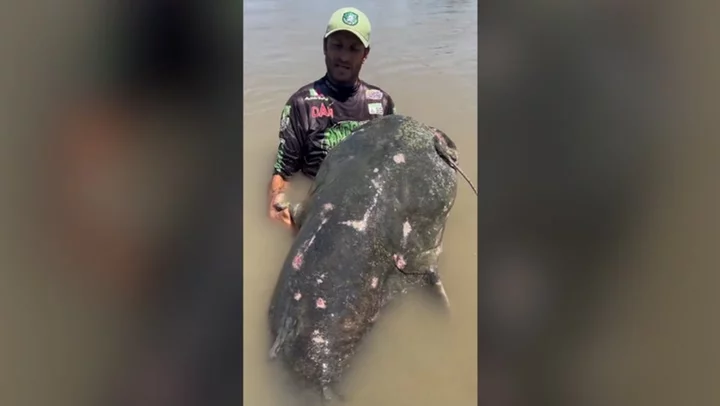
‘Monster’ 9ft catfish caught in Italy - but it won’t break the world record
A “monster” catfish has been caught in Italy’s River Po. The huge fish measured 9ft 3in, or 285cm, making it the largest ever to be caught. However, it will not break the world record, thanks to angler Alessandro Biancardi’s kindness. While the catfish surpasses the current record holder by 40cm, set by another fish pulled from the Po in 2010, Mr Biancardi decided to release his catch back into the river. He managed to pull the fish to the surface of the water and realised he had “hooked a monster” after a 40-minute battle. Read More Piers Morgan wishes Prince Harry ‘luck with privacy campaign’ after court criticism Prince Harry suffered ‘huge amount of paranoia’ from press intrusion, court told Influencer culture and unwanted fame - with Curtis Sittenfeld
2023-06-07 18:53
You Might Like...
Lewis Hamilton: Mercedes upgrade definitely not the step forward we hoped for

As climate changes, farms in US 'Peach State' Georgia suffer

Move Over Y2K, Get Ready for ‘Comfortcore’: British Women Are Prioritising Comfort More Than Ever, but Not at the Expense of Style

NYT's The Mini crossword answers for November 1

Iowa's Republican legislature passes six-week abortion ban
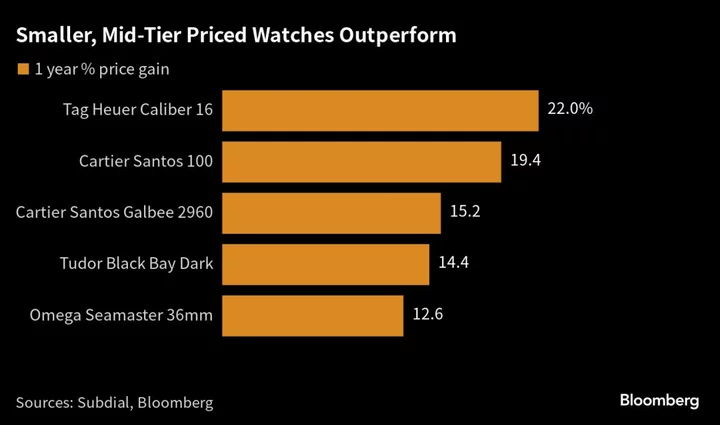
Omega, Cartier Models Gain as Rolex Keeps Falling

'Dear David' review: Welcome to the biggest disappointment of Halloween 2023

Grab Microsoft Office 2021 on Windows or Mac for Just $30