
Stylize Fun is Your Ultimate Source for the Latest Lifestyle News, Trends, Tips in Health, Fashion, Travel and Food.
⎯ 《 Stylize • Fun 》
Why Can’t We All Just Get Along: Saturday Asia Briefing
Relationships are hard. They can lead to a dazzling Indian wedding or a guarded meeting between the heads
2023-11-18 15:50
This is why you keep waking up at 4am – and what you can do about it
Ever find yourself awake, staring into space at four in the morning? Is it just a bad habit, or is there something more sinister going on? And why does it always seem to happen at 4am? “We start to experience less deep sleep after around four to five hours,” says Lisa Artis, deputy CEO of The Sleep Charity, who have partnered with Simba mattresses. And once we’re in that lighter sleep faze, we wake much more easily. If you generally fall asleep around 11pm – which is a very common bedtime, 4am wake-ups are more likely. And there are many factors leading to these inconvenient stirrings. Hormones “Sleep is guided by our internal clock or circadian rhythm. One of the most significant and well-known circadian rhythms is the sleep-wake cycle,” Artis continues. “Sleep is regulated by the levels of two hormones: melatonin and cortisol, which follow a regular 24-hour pattern. Melatonin assists you in dozing off, while cortisol helps get you up, and keeps you awake,” she explains. Keeping an eye on your hormones is important in preventing those late-night wake-ups. “Engage in calming activities before bedtime, such as reading, listening to soothing music, or practising relaxation techniques, like deep breathing or meditation,” says Dr Mariyam H. Malik, GP at Pall Mall Medical. Equally, pop your phone down for a bit. “Blue light from electronic devices can suppress melatonin production. Try to avoid screens for at least two hours before bedtime, or use blue light filters. It is best to charge them in a separate room overnight,” Malik adds. Diet Caffeine, heavy meals, alcohol, sugar, and a lack of magnesium or B vitamins could lead you to have a more disturbed night’s sleep, according to Malik. Sugar and carbohydrates may have a particular impact. “A diet high in sugar and refined carbohydrates can cause blood sugar fluctuations, leading to wakefulness during the night,” she says. “It’s unlikely you’ll feel hungry in the middle of the night if your blood sugar dips,” notes Artis, “but to reduce ungodly hour awakenings, trial alternatives for your last meal or snack of the evening. Instead of carb or sweet-based snacks, opt for protein-packed and magnesium-rich foods, like hard boiled eggs, cottage cheese, pumpkin seeds, spinach, dark chocolate, cashews, chicken thighs or turkey.” Protein can take the edge off your night-time hunger, she says, while magnesium is known to support sleep. Needing a wee Do you wake up needing to wee at the same time every night? “Try not to drink excessive amounts of fluids before bedtime,” advises Malik. “It’s important to stay hydrated, but try not to drink anything for around two hours before your usual bedtime. Go to the toilet before you go to bed to empty your bladder. ” Age and life stage “Sleep tends to become more disrupted as people get older,” Malik explains. “Sleep patterns change with age, and various factors can contribute to sleep disturbances in older adults. Some common reasons for sleep disruption in the elderly include changes in your circadian rhythm, decreased melatonin production, medical conditions or medications, and potential sleep disorders.” It can also affect women during the perimenopause. “The reproductive hormones – oestrogen and progesterone – are entwined with the sleep and relaxation hormones, melatonin and serotonin,” says Artis. “When oestrogen begins to fall before and during menopause, it can create a disturbance in the sleep-promoting hormone melatonin, meaning it can’t properly balance out cortisol. When this happens, the ability to fall and stay asleep is affected.” Recurring hot flushes, night sweats, dry skin, and low libido can signal waning oestrogen. Artis advises incorporating foods with high levels of phytoestrogens into your diet throughout the day to help with this. “Phytoestrogens imitate the natural estrogens found in your body. As a consequence, they can bind to your body’s oestrogen receptors and produce similar effects.” Try lentils, kidney beans, chickpeas, tofu, edamame, spinach, cauliflower and broccoli. Worrying Stress is not good for sleep. One study by Bupa even found that 32 million Brits wake up worrying about their health at precisely 4:05 am. The report, which surveyed 4,000 British adults, revealed that more than three-fifths of us wake up in the middle of the night. If you are finding yourself awake at all hours worrying, or waking up with stressful dreams, there are a few things that may help. “Keep a journal by your bedside and write down your worries before going to bed. This practice can help get your concerns out of your mind and onto paper, making it easier to let go of them temporarily,” says Malik. You may also want to “engage in mindfulness or meditation exercises before bedtime. Mindfulness can help you focus on the present moment, reducing anxiety about the past or the future.”
2023-07-28 15:55
Pick up a new skill with this guitar trainer on sale for $170
TL;DR: As of July 11, you can get the Jamstik® Guitar Trainer for just $169.99
2023-07-11 17:52
5 memorable races staged at Silverstone
Lewis Hamilton and Co will this week descend on Silverstone for the British Grand Prix. Here, the PA news agency looks at five key races staged at the Northamptonshire venue. 1987 Nigel Mansell was forced to pit for a new set of tyres after reporting vibrations on his Williams. With 30 laps remaining he was the best part of half-a-minute behind his team-mate and fierce rival Nelson Piquet. The chase appeared impossible but, spurred on by his home crowd, Mansell smashed the lap record on nine occasions before catching and passing Piquet after an exquisite move at Stowe with only two laps left. The home crowd were euphoric and Mansell responded by leaping out of his Williams and kissing the tarmac. 1994 Michael Schumacher illegally overtook pole-sitter Damon Hill on the parade lap and was punished with a stop-and-go penalty – which he ignored. He was issued with a black flag – which should have resulted in his instant disqualification – but Schumacher kept driving before serving his stop-and-go punishment on lap 27. Hill went on to claim a crucial victory and was presented the winner’s trophy by Princess Diana. Schumacher finished second, but he was later disqualified and banned for two races. 1998 Schumacher was at the centre of controversy four years later after winning – while stationary in the pit-lane. Mika Hakkinen led from the start, but as the rain fell and conditions deteriorated, the Finn lost control of his McLaren and spun. The safety car was deployed, and while Hakkinen remained in the race, he had sustained damage to his front wing. His 40-second lead was wiped out and Schumacher looked odds-on to win. However, Schumacher had illegally passed Alexander Wurz under a yellow flag, which resulted in a stop-and-go penalty. But the haphazard stewards only announced his punishment with two laps left. At the end of the final lap, Schumacher entered the pits to serve his penalty, but had already crossed the start-finish line and won the race. The bizarre result stood despite McLaren’s protests. 2008 Lewis Hamilton arrived at his home race fourth in the drivers’ standings but left on top after storming to victory in one of his outstanding performances. In torrential rain, Hamilton blitzed the field, finishing the race almost 70 seconds ahead of second-placed Nick Heidfeld and lapped the entire pack up to third. Hamilton’s championship rival Felipe Massa spun five times. 2021 Hamilton sent Max Verstappen into the wall at Copse following a devastating 180mph collision. Verstappen was taken to hospital with concussion, while Hamilton was hit with a 10-second penalty. Hamilton served his punishment and fought back through the field, passing Ferrari’s Charles Leclerc in the final laps to take a remarkable, if not controversial, victory. Read More Charity boss speaks out over ‘traumatic’ encounter with royal aide Ukraine war’s heaviest fight rages in east - follow live David Coulthard looks at the key issues surrounding Lewis Hamilton’s next deal Phenomenal circuit and incredible atmosphere – Mark Webber remembers Silverstone It hurts – Lando Norris reflects on his ‘toughest season’ ahead of British GP
2023-07-05 17:51
Meta Employees Working on the Metaverse Reportedly Don't Like Using VR Headsets
One of Meta’s core goals is to facilitate the “metaverse,” where people can hang out
2023-06-05 03:51
Air pollution greatest global threat to human health, says benchmark study
Air pollution is more dangerous to the health of the average person on planet Earth than smoking or alcohol, with the threat worsening in its global epicenter South Asia even as...
2023-08-29 12:22
Lewis Hamilton plays down talk of imminent new Mercedes deal
Lewis Hamilton has knocked back Mercedes boss Toto Wolff’s claim that he is on the brink of signing a new contract. Earlier this week, team principal Wolff said Hamilton’s contract renewal would be resolved “in days rather than weeks”, adding that he was “trying hard” to finalise terms with his superstar driver before this weekend’s Canadian Grand Prix. But speaking in Montreal on Thursday, Hamilton, 38, said: “I don’t have a huge amount to say on the contract. “It will get done when it is done. If that is next week, or in a month’s time, as long as it gets done, I am not really bothered.” After the previous round in Barcelona, Wolff said it would take only “half an hour over coffee” to agree an extension to Hamilton’s £40million-a-season deal which expires in six months. Hamilton met with Wolff the day following the Spanish Grand Prix in the hope of rubber-stamping a new deal – which is set to extend the seven-time world champion’s stay in Formula One beyond his 40th birthday – and has also spent time with the Austrian in New York this week. Hamilton added: “I have seen Toto and we have talked several times. We have a great relationship but there is nothing to say at the moment.” Asked if any progress on negotiations had been made, Hamilton replied: “Yes, but there is nothing new to add to it.” Hamilton, who has not won a race since his contentious championship defeat to Max Verstappen at the 2021 season finale in Abu Dhabi, is already 83 points off the title pace this year. On Sunday, a sixth victory of the season for Verstappen would put him on 41 victories for his career, equalling Ayrton Senna’s tally, with only Hamilton (103 wins), Michael Schumacher (91), Sebastian Vettel (53) and Alain Prost (51) ahead of him. And Hamilton admitted Verstappen, still only 25, could break his record. “He has got a very long career ahead of him so he absolutely could,” said Hamilton. “Records are there to be broken and he has got an amazing team. “Max has been doing an amazing job and he has had an incredible career so far. “But we have got to work harder to try and continue to extend our record and I hope, with the period of time I have left in my career, I get to have more close racing with him.” Read More Charity boss speaks out over ‘traumatic’ encounter with royal aide Ukraine war’s heaviest fight rages in east - follow live On this day in 2007: Lewis Hamilton claims first Formula One victory Susie Wolff urges F1 teams to back initiatives to help develop female drivers Max Verstappen tops rain-hit final practice for Spanish Grand Prix
2023-06-16 05:18
How to keep your pet cool and healthy during a heatwave
Learning how to cope in the heat can be a struggle, with the beaming rays of the sun, the inescapable humidity and the ever-rising temperatures tough to handle for many. With the Met Office forecasting a shift in weather patterns in the UK and a “warm plume” of air with highs of 30C heading our way, just imagine how your pet may be feeling. Domestic animals don’t have the luxury of being able to say when they’re feeling overheated or dehydrated, which is why you need to learn how to keep your pet as safe and healthy as possible during these extreme weather conditions. Whether you’re a dog person or own a reptile, this is how to look after your pet properly as the heatwave runs its course. Dogs Dogs with long fur will likely fare worse than their shorter-haired peers during the summer. However, they are able to cool themselves down by panting and releasing heat through their paws, as animal charity Blue Cross explains. Dogs do this because they’re unable to sweat through their skin in the same way as humans do. If a dog does overheat, they could be at risk of suffering from a serious heatstroke, with the charity explaining that “signs of heatstroke in dogs include collapse, excessive panting and dribbling”. “If you suspect your pet is suffering from the condition, move them to a cool place, preferably with a draught, wet their coat with cool - not freezing - water, and contact your vet immediately,” the charity advises. Furthermore, leaving a dog in a car on a hot day can have devastating consequences, as the temperature within the car can soar to extreme levels at a rapid rate, which is why it’s advised never to leave a dog in a car in hot conditions. To ensure that dogs are comfortable during walks on days with excessive heat, the RSPCA recommends only walking your dog in the morning or evening at the peak of summer, as doing so will help prevent them from burning their paws on the pavement or suffering from heatstroke. You must also make sure that your dog always has access to water. Cats Different types of cats may be more prone to sunburn than others, as pet agency Very Important Pets outlines. “Pale-coloured cats are vulnerable to sunburn; particularly on their ears, noses and sparsely haired areas,” the agency states, adding that, “like in humans, sunburn can sometimes lead to skin cancer.” While many cat owners may let their feline friends roam at will, the agency recommends keeping your cat indoors during the hottest time of the day, from around 11am until 3pm. You can even invest in a suncream designed specifically for pets to provide them with adequate protection from the sun’s rays. Having your cat’s fur trimmed could also be a good course of action in order to make them feel more comfortable in the heat. Furthermore, if you think that your cat may be feeling overheated, you can use a damp towel to cool them down. Just like with any other animal, cats shouldn’t be left in cars during a heatwave. Hamsters If you normally keep your hamster in a glass or plastic crate, you should be aware that the interior may be hotter than the average room temperature. This is important to keep in mind when considering where their crate is placed, as putting it on a window sill where it’s exposed to the sun could put your hamster at risk of overheating. Hamster blog site Hammysworld also suggests placing the crate on a stone or tiled floor during the day if possible in order to help the animals remain cool and comfortable. You could even place a ceramic tile within the cage as a means of lowering the temperature of the interior even more. Another trick that the outlet recommends is to place a frozen bottle of water on the side of the outside of the crate while also regularly refreshing your pet’s water supply. Fish You may think that your fish is safe in their tank of water as those outside battle the intense heat and humidity. However, the temperature of the tank can easily rise if the room temperature is higher than normal. If you have heaters in your fish tank, it would be wise to turn them off, Tropical Fish Site recommends, while it may also be worth reducing the normal temperature of the tank if possible. Another method that you can employ to help keep the water cool is to put bags filled with ice at the bottom of the tank. Birds While birds living in exotic locations around the world may be used to hotter climates, chances are that domesticated birds won’t have the same thresholds for higher temperatures. According to Bird Supplies, birds may be very susceptible to sudden changes in their environment, which is why knowing how to keep them cool during a heatwave is important. “Your average bird has a standard core temperature of around 105F or 40C, and are very susceptible to overheating,” the site states. Some signs to look out for that may indicate that your bird is overheating include if its panting, holding its wings far away from its body or exhibiting anxious behaviour. Many birds naturally enjoy spending time outdoors. However, if this is the case, you should make sure that the outdoor space that your bird frequents is equipped with shaded areas. On top of that, the site states that you should make sure to replace the bathing dish of water at the bottom of your bird’s cage at least once a day, while also ensuring that it has a decent supply of clean water to drink. Reptiles and amphibians Reptiles and amphibians are ectothermic or cold-blooded, which means that their body temperature relies on external sources, as detailed by Encyclopaedia Britannica. With that in mind, if the temperature of your home is higher than normal, then your pet snake or lizard could suffer in the hot conditions. Pet store Just For Pets advises first checking whether the temperature of your home falls within your animal’s ideal range. If the temperature exceeds its ideal range, then you can cool them down by providing them with clean water and keeping a small fan close by. Furthermore, you could utilise a similar technique to the one advised for hamster owners by placing a ceramic tile in its enclosure that it can use to lower its body temperature (that you could cool first in the fridge). Plus, if you place an iced bottle of water nearby, it could help reduce the temperature of the air, thus providing your pet with a more bearable environment. Read More How to tell if you have Covid or heatstroke Why do heatwaves in the UK feel hotter than abroad? How to protect pets from wildfire smoke amid air quality alert Dog owners shocked after vet shares list of ‘toxic’ substances Man faces backlash for wanting to bring six-month -old dog to the gym
2023-06-08 16:26
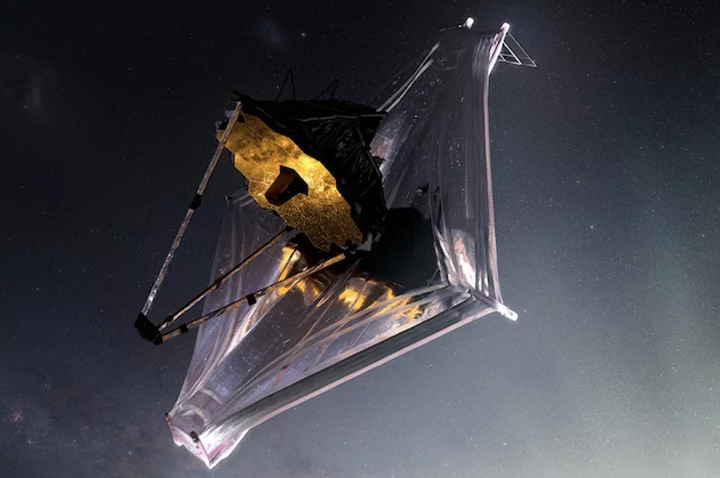
James Webb Space Telescope Captures Saturn and Its Gassy Methane Body
You probably haven’t seen Saturn like this. For the first time, NASA’s James Webb Space
2023-07-01 03:22
'Love letters' from death row: Singapore's pre-execution photo shoots
Death row inmate Nazeri Lajim beams at the camera, fingers raised in a "V" sign, wearing a shirt emblazoned with large motifs and showing no...
2023-07-05 13:22
Skims Debuts New Additions To Its Cotton Collection With Madelaine Petsch
Fans of Riverdale and Skims rejoice: The brand’s latest collab is with the one and only Madelaine Petsch (aka fashionable Cheryl Blossom on the CW series). And as you might expect, it exudes confidence and sexiness.
2023-09-08 22:59
After the flood: The nightmare is just beginning for those left to rebuild after the Ukraine dam explosion
In a mud-soaked nightdress, the Ukrainian grandmother claws at the fetid water that has swallowed the steps down to her home in Kherson city. Frail and in shock, Antonia Shevchenko, 84 appears unaware of the futility of her attempts to try to drain the swamp drowning her house. Her daughter Svetlana, 64, marooned by the sweltering mud, tries to coax her to stop and calm down. Shelling roars in the background. It is the first time the pair have been back since they evacuated after the Nova Kakhokva dam blew up last month, unleashing the contents of one of Europe’s largest reservoirs over southern Ukraine. The explosion – which Ukraine blames on Russia – sparked the worst ecological disaster on the continent in recent history and will likely impact global food security, according to the United Nations. In Kherson, the capital of the region, it killed dozens of people, submerged whole towns, drowned all the wildlife and turned this street into a canal. “We didn’t even have time to get her clothes, we had to carry her in the slippers and nightie she is still wearing now,” says Svetlana in tears, as her confused mother repeats, “It’s all just mud,” in the background. “It’s impossible to fix this. I feel nothing now. Everything is just empty inside. Now it’s all gone, we have nothing left,” Svetlana adds. A few streets away Oksana Kuzminko, 70, who was also returning for the first time, picks her way through the devastation. “Welcome to zombie land,” she adds with a despairing shrug. Until recently, the only way to navigate these streets was to steer a boat between the tops of the roofs of the submerged houses. Now the waters have receded, the terrifying scale of the damage and the work still to be done has been revealed. Sewage, mud, rubbish, dead animals, bits of masonry and potentially land mines swirl together in the backyards of the partially collapsed houses. The area is still being pounded by Russian forces, stationed on the other side of the swollen banks of the Dnipro River. Anna Gatchecnko, 73, another elderly resident of this district, says the combination of floodwaters and the war is “your worst nightmare”. “We survived the Russian occupation, the shelling, and now this happened,” she says, wearing plastic bags she has tied to her feet in the toxic slush. “They took everything. My house, my belongings were the last things in this world that I had.” The Kakhovka dam – essential for fresh water and irrigation in southern Ukraine – is located in a part of the Kherson region that Moscow illegally annexed in September and has occupied for the past year. The damage is so severe that Ukraine has accused Russia of “ecocide” – believing Moscow’s forces blew it up in an attempt to prevent Kyiv’s troops from advancing in the south as they launched a counteroffensive. Moscow has vehemently denied the accusations and blamed Kyiv. Experts say the dam was so robustly built only an internal explosion could have caused such a catastrophic breach. The tearing floods have wiped out hundreds of towns and villages according to the United Nations, which has warned nearly a quarter of a million people have been left in need of drinking water. Downstream of the dam, towns and villages have morphed into polluted swamps where cholera has been detected. Upstream, the reservoir which once sustained swathes of agricultural land has turned into a salty desert. Residents in those areas queue to get water from fire trucks under shelling. And the repercussions will be felt well beyond Ukraine’s borders, potentially sparking global hunger. Ukraine – a major exporter of grains, oils and vegetables – was already struggling to export its harvest because of war. The ravages of flooding in one of the world’s most important breadbaskets will almost inevitably lead to lower grain exports, higher food prices around the world, and less to eat for millions in need. “The truth is this is only the beginning of seeing the consequences of this act,” Martin Griffiths, a United Nations aid official warned recently. It also raised fears about the stability of the Zaporizhzhia nuclear power plant, Europe’s largest, which relied on the waters of the now-dry Kakhovka reservoir to function. Rafael Grossi, head of the UN’s International Atomic Energy Agency which has unsuccessfully attempted to build a safety zone around the facility, was so concerned he travelled to the Russian-occupied plant. There he admitted it was ”grappling with ... water-related challenges”. In Zaporzhizhia’s regional capital, Taras Tyshchenko, head of the Ministry of Health’s Centre for Prevention and Disease Control, said if the Russians were capable of unleashing the waters over Kherson, they would have no qualms in taking out the nuclear power plant. Since the explosion at the dam, his health facility tests the air and waters across the region multiple times a day for radiation and contamination. So far it has detected cholera and remains on high alert for radiation. It has been through three rounds of training in the event there is a disaster at the nuclear power plant and has distributed potassium iodide tablets to those living within the danger zone. The damage from the destroyed dam is unfathomable, he says in front of the city’s main dock which is now dried out. The sweeping concrete jetty, which once hosted commercial water traffic, stoops forlornly over muddy puddles where his teams take water samples. “It could take well over a decade to fix the dam, refill the reservoirs and restore this region to normal,” he adds grimly. “And that work can only really start after victory.” In the interim, cities, towns and villages along the Kakhovka reservoir will morph into wastelands if no solution is found. Deep fissures criss-cross the cracked riverbeds where dead fish and molluscs slowly crisp in the sun. In one village, a forlorn fisherman drives a scooter across the desert scape in search of a pool of water. “Once the dam exploded we tried to build our own mini dams to try to retain some water,” explains Vitaly Marozov, 29, who works at a 400-hectare farm producing vegetables and fruit just outside of the southern city of Nikopol. He plays us a video of local volunteers building a makeshift barrier out of sacks and soil. “Now we are trying to dig wells but the water is salty,” he adds. This is already destroying crops. Standing by a destroyed field of cabbages, dusted white with salt, he says they will be lucky if they can salvage a fifth of their total yearly yield. The damage, he believes, will cost their farm 22 million hryvnias, or around £500,000, and it will only get worse as the season progresses. “We are just one farm, this is the case all around this area. This will impact global food security unless someone does something drastic,” he continues. Back in the waterlogged regions, volunteers deliver aid by boats to the communities now cut off from help. Others bring pumps to try to drain the pools of stagnant water from the worst-hit areas. But all it does is expose the irreparable damage done to the entire southern sweep of Ukraine. We find Olha Mosyk, 70, who was forced to swim to safety with a litter of newborn kittens, islanded by destruction in her home in the Mykolaiv region. Sodden muddy piles of dirt mark the remains of the walls of her house. “You need steel teeth to break Ukrainians. That won’t work on me,” she says, pulling up the remains of rotten potatoes from her destroyed field which is the same tyranny of blackened mud. “All we can do is try to pull ourselves together,” she adds with a pause. Back in Kherson city, Svetlana tries to comfort her mother, Antonia, who is on the cusp of a panic attack. “How do I feel? Crying all the time. My whole body is shaking,” the 84-year-old says faintly, her red floral nightie a flash of colour in the grey water. “It’s all flooded. My whole life is under water.” Read More Zelensky accuses Russia of plotting ‘radiation leak’ attack at Zaporizhzhia nuclear plant Ukraine's president tells other countries to act before Russia attacks nuclear plant Ukrainian soldiers rescue Russian troops left to drown after Kakhovka dam destruction Russia-Ukraine war live: Moscow ‘arrests General Armageddon’ over Wagner rebellion Recapping the revolt in Russia, through the words of 4 presidents and a mutinous warlord
2023-07-04 19:58