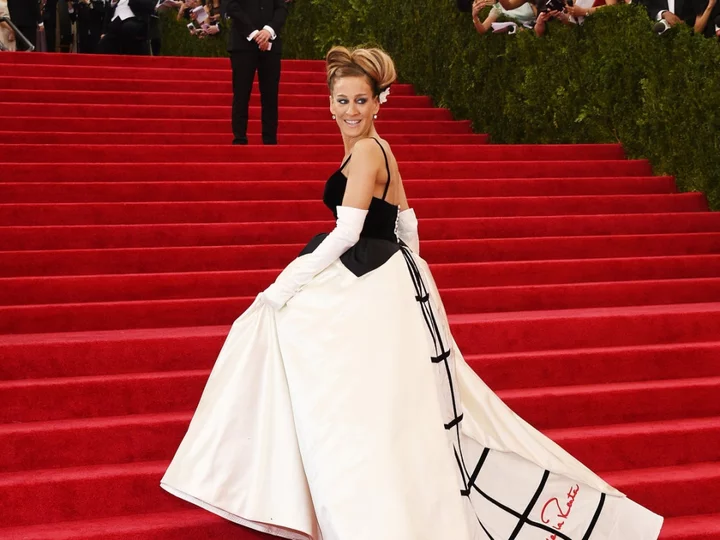
Sarah Jessica Parker’s custom Oscar de la Renta gown from 2014 Met Gala goes up for auction
Fashion lovers will soon have the chance to own a custom Oscar de la Renta gown worn by Sarah Jessica Parker at the 2014 Met Gala - for the hefty price of $7,500. The black and white floor-length gown is being auctioned on the luxury fashion label’s resale site, Encore, until Friday 29 September. The dress, made custom for the Sex and the City star, features a black velvet bodice with a v-neckline and petal-like pattern at the bottom. The gown’s ivory skirt also includes a trellis embroidery, complete with Oscar de la Renta’s signature at the train. “When Sarah Jessica came to the office for our first design meeting, she had a binder full of references to share with Oscar. It was a truly special collaboration,” said co-creative director Fernando Garcia in a statement. “And for me, who didn’t ever go to design school, it was the biggest fashion lesson I could have gotten - on the floor of Oscar’s office.” The commissioned piece took 224 hours to make. Nine years later, it was returned to the atelier where it was made to be restored to its original condition. Thirty per cent of proceeds from the sale of the dress will benefit the New York Public Library. In 2014, the And Just Like That star recounted the gown’s design process in an interview with Vanity Fair. “I said to Mr de la Renta, please let me use scarlet embroidery thread, and splash your name across the back. It was my idea. He would never in a million years have it done, he’s far too modest,” Parker said at the time. The theme for the 2014 Met Gala was in honour of legendary designer Charles James, called “Charles James: Beyond Fashion”. The dress code called for “White Tie and Decorations” - full evening dress of white bow ties for men and evening gowns for women. Parker, along with actor Bradley Cooper and de la Renta, served as co-chairs for the annual fashion event. Parker’s black and white gown was one of the last designs de la Renta showcased on the red carpet before he passed away in October 2014, five months after the Met Gala. The Hollywood star and fashion icon has been a mainstay on the Met Gala red carpet - which is rolled out every May at the Metropolitan Museum of Art in New York City - for many years. Parker recently looked back on some of her many memorable fashion moments, including the time she attended the charity event with late designer Alexander McQueen in 2006. Speaking to Vogue in 2022, Parker explained that she “immediately” wanted to work with McQueen to design their matching tartan ensembles for the Met Gala’s “AngloMania: Tradition and Transgression in British Fashion” theme. However, she felt that she “didn’t really know him well enough to be so presumptuous” to assume he would want to attend with her. “Like everybody else, I was in love with him,” she told Vogue. “I have every pin he dropped from his mouth in my possession still. I have everything he cut off in my possession still. I have things that seem like nothing, from every fitting I ever did with him in my possession.” The groundbreaking designer died in 2010 at the age of 40, and was later commemorated by the Met Gala in 2011 with the theme “Alexander McQueen: Savage Beauty”. For last year’s Met Gala, Parker paid homage to the first Black female designer in the White House - Elizabeth Hobbs Keckley - in a black and white gown designed by Christopher John Rogers. However, the style icon has maintained that preparing for fashion’s biggest night of the year should be “labour intensive”. “All I ever think about is the theme and influence,” she told Vogue in April 2022. “Whenever I go to the Met, I don’t understand how everyone else doesn’t spend seven to ten months working on it. Like how do you not arrive exhausted by the details of getting it right?” “It would be so easy to find a beautiful dress to wear that night,” Parker added. “Like that would be a great relief and like going on vacation. But that is not the assignment, the assignment is the theme.” Read More Sarah Jessica Parker reveals she adopted Carrie’s kitten from And Just Like That Kim Cattrall and Sarah Jessica Parker feud: A timeline of the beef between Sex and the City co-stars Sarah Jessica Parker rewears iconic Vivienne Westwood wedding dress in And Just Like That Victoria’s Secret was never feminist – why are they bothering to try now? Kim Kardashian debuts buzz cut and thin eyebrows for new photo shoot Travis Kelce wears ‘1989’ inspired outfit after leaving NFL game with Taylor Swift
2023-09-28 00:26
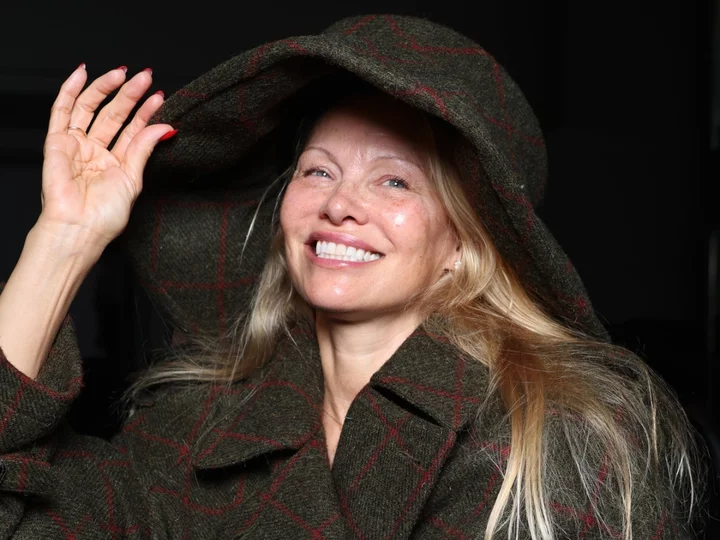
Pamela Anderson reveals why she went makeup-free at Paris Fashion Week
Pamela Anderson has revealed why she didn’t wear any makeup while attending Paris Fashion Week. The actor, 56, spoke candidly about the decision during a recent video interview with Vogue France, filmed while she was getting ready for the Vivienne Westwood show during fashion week. As she was moisturising her face and looking at the camera, she said that while she didn’t plan on attending the show without makeup, she had a change of heart when putting on her outfits during the week. “I didn’t come to Paris Fashion Week and think: ‘I’m not going to wear any makeup,’” she said. “I don’t know, something just kind of came over me. And I was just dressing in these beautiful clothes, and I thought: ‘I don’t want to compete with the clothes.’ I’m not trying to be the prettiest girl in the room.” The Baywatch alum continued to describe how she felt when she didn’t wear makeup to fashion events, adding: “I feel like it’s just a freedom. It’s like a relief.” The Vogue France video continued with Anderson wearing her outfit to Westwood’s show – a brown dress with a large matching hat – while noting that she “doesn’t have a stylist” for these events. “I don’t have a glam team,” she said. “I’m just kind of doing this freestyle.” She went on to document her laid-back process of getting ready, noting that it was “almost noon and the show’s at 1pm”. “I let my hair dry naturally, and I just put on some moisturiser because I am not into the makeup look right now,” she said, before recalling how her mother once told her that “at some point” in life, she’s not going to want to “wear makeup on [her] skin”. After noting that her mother “was right,” Anderson explained how she’s continued to “challenge” the meaning of beauty by choosing not to wear makeup. “If we all chase youth or we’re chasing our idea of what beauty is in fashion magazines and everything, we’re only going to be disappointed and maybe a little bit sad,” she said. She also confessed that she’s sometimes worried about going makeup-free to events. However, Anderson said that during those times of concern, she’s asked herself: “What am I worried about? Am I worried about what people think, how I look?” She then shared the reminder that she gives herself when she doesn’t wear makeup, explaining: “This is the time for me to kind of be, again, probably a little rebellious.” Anderson then acknowledged that, throughout her years in the spotlight, she’s been encouraged to set an example of what beauty means, which is another reason why she doesn’t wear makeup. She also expressed that she’s grateful for the different opportunities she’s had in life, before emphasising that she’s “comfortable” with who she is. “I also feel as a woman, and as a woman my age and a woman in the public eye, I just kind of think: ‘It’s also your job to be a model of everything, all sorts of choices,’” she said. “So I am just being me. You know, my kind of who I am in, all of these great clothes, running around Paris. So I’m very lucky.” The model concluded: “I think I’m the happiest I’ve ever been in my own skin. It’s what’s inside the clothes that counts, and I think beauty comes from within. And I know it sounds cliché, but I love clichés.” Earlier this week, Anderson also made headlines when Jamie Lee Curtis first applauded her for not wearing any makeup, while making an appearance at fashion week. “THE NATURAL BEAUTY REVOLUTION HAS OFFICIALLY BEGUN! @pamelaanderson in the middle of fashion week with so many pressures and postures, and and and, this woman showed up and claimed her seat at the table with nothing on her face,” the Freaky Friday star wrote on Instagram, along with a snap of Anderson in a yellow dress. “I am so impressed and floored by this act of courage and rebellion.” In the comments of the post, many famous faces also went on to praise Anderson, with Chelsea Handler writing: “That’s pretty iconic.” Selma Blair also added: “Love this. Beautiful self-assuredness.” Last month, Anderson confessed to Elle that, after her makeup artist, Alexis Vogel, tragically passed away from breast cancer, she started going makeup-free to most events. “She was the best. And since then, I just felt, without Alexis, it’s just better for me not to wear makeup,” she explained. However, Anderson also doubled down on how the makeup-free look has been “freeing, and fun, and a little rebellious too”, adding: “Because I did notice that there were all these people doing big makeup looks, and it’s just like me to go against the grain and do the opposite what everyone’s doing.” The model went on to note that as she’s continued to age, she’s still happy with how her physical appearance has changed in the process. “I think we all start looking a little funny when we get older. And I’m kind of laughing at myself when I look at the mirror. I go: ‘Wow, this is really...what’s happening to me?’ It’s a journey,’” she said. “I feel rooted for. I feel good. I’m in a good place.” Read More Jamie Lee Curtis applauds Pamela Anderson for going makeup free at Paris Fashion Week Pamela Anderson reveals why she plans to sell ‘all’ her old clothes – including iconic Baywatch swimsuit Pamela Anderson shares heartbreaking reason she’s ditching makeup Jamie Lee Curtis applauds Pamela Anderson for going makeup free at Paris Fashion Week Millennials explain to Gen-Z how to rock ballet flats Crocs announces the launch of new cowboy boots to mixed reactions
2023-10-07 04:15
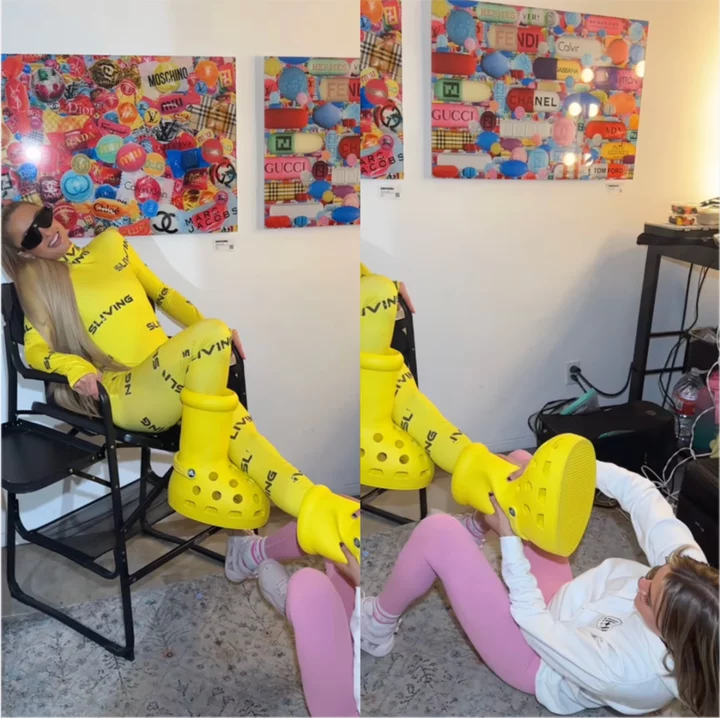
Paris Hilton struggles to remove $450 Crocs boots: ‘It’s a full-team effort’
Paris Hilton was caught stuck in her boots – a pair of gargantuan $450 animation-like boots - in a recent Instagram post. The DJ exposed a behind-the-scenes look at the cost of wearing the Brooklyn-based brand MSCHF’s x Crocs Big Yellow Boots in her 26 July video. Hilton was seen slipping off her chair as her team member attempted to tear the stompers from her feet. The extremely narrow vamp of the shoes made the extraction all the more difficult, resulting in her friend being jerked around on the floor, grunting, as she pulled at the croslite material. At one point, it seemed the oversize boots had won and were never coming off when Hilton’s colleague drifted into the legs of her chair. Hilton, who was wearing a yellow catsuit that read “sliving,” laughed uncontrollably, gripping the seat so she didn’t fall onto the floor. Finally, one last yank from both women set the 42-year-old model’s foot free. “Yes!” Hilton exclaimed feeling triumphant, while she acknowledged it was “a full-team effort”. Hilton’s followers loved to see her candid video. “The whole team, it’s iconic like you can tell,” one person said, while another joked: “When you can’t take off the shoes from your Bratz Doll.” Even Hilton’s husband weighed in, sending her a string of laughing face emojis. Before the new mom demonstrated the fashion struggle is indeed real, Hilton posed in front of the camera as the face of MSCHF’s x Crocs collaboration campaign. She posed in what fans deemed a very Kill Bill look with black wrap-around shades and a matching yellow two-piece tracksuit. “My new campaign for @MSCHF is hot,” she wrote in the caption of a separate 26 July photo. “Barbie who?” one fan commented, while another added: “Serving up looks like the queen you are.” Aside from The Bling Ring star, other A-listers have recently styled the MSCHF’s boots, including Victoria Beckham, Lil Wayne, and Diplo. Beckham took to her Instagram story, styling the chunky yellow footwear with a long black skirt and understated vest. She captioned the photo with a matching heart even though she had once admitted platform Crocs weren’t for her. MSCHF turned the streets of Manhattan into their own runway during February’s fashion week this year as several influencers and celebrities strutted in their Big Red Boots. The cartoonish design is meant to be “abstraction that frees us from the constraints of reality,” according to the company’s website. “Big Red Boots are really not shaped like feet, but they are extremely shaped like boots.” Read More Victoria Beckham shows off new $450 Crocs boots after claiming she would ‘rather die’ than wear brand Digital art collective MSCHF sells ‘fashion statement’ Pirate Bay and Megaupload email addresses Lil Nas X’s ‘Satan Shoes’ containing human blood sell out in under a minute, amid Nike lawsuit
2023-07-28 01:18

Fears for UK 'green' policies after shock by-election result
Contentious plans by London's mayor to extend a scheme taxing the use of the most polluting vehicles were being blamed Friday for costing his opposition Labour...
2023-07-21 19:53
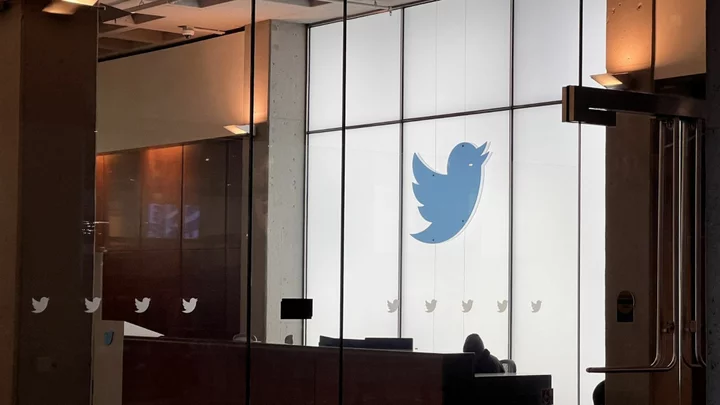
San Francisco Reportedly Opens Investigation Into Twitter For Building Code Violations
San Francisco is investigating Twitter over alleged building code violations at its downtown headquarters, the
2023-05-20 23:26
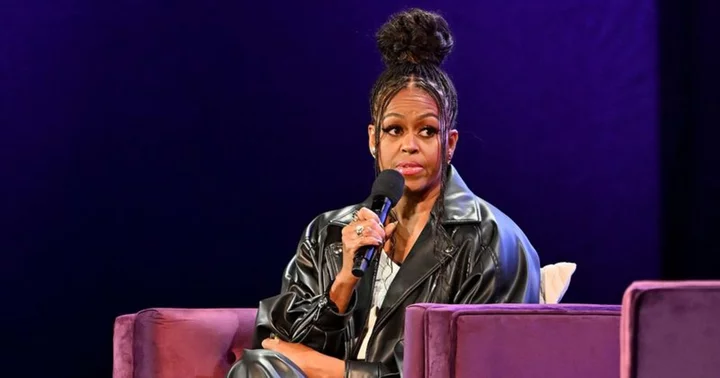
Michelle Obama’s juice brand PLEZi not safe to serve school children, claim experts
'She has been ill-served by advisers who convinced her to start by targeting 6- to 12-year-olds,' a professor said
2023-05-20 18:54
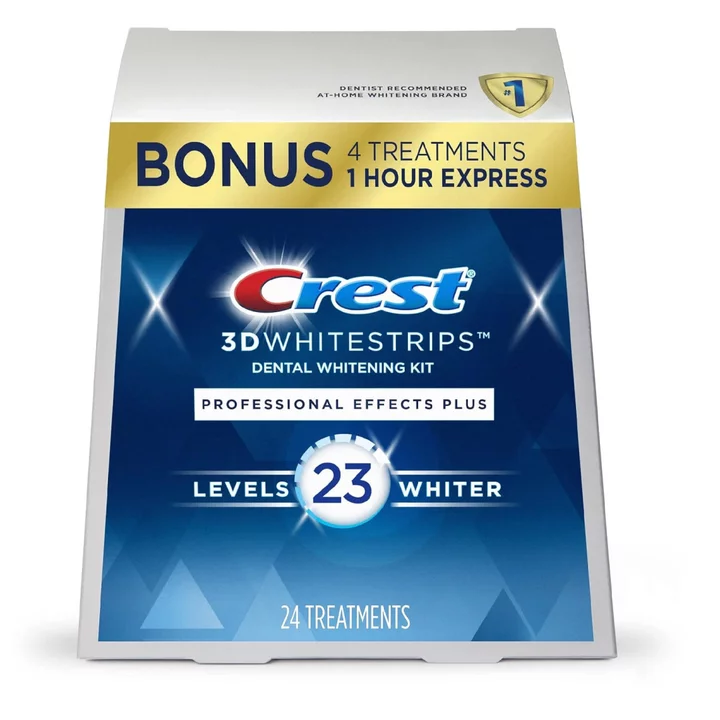
Get Your Gifts Early (& On Sale) During Amazon’s Holiday Beauty Haul Event
No, you’re not dreaming: Another Amazon sale is here, and it’s all beauty, all the time. The Holiday Beauty Haul event is officially on from now until November 5. And, as the name suggests, the two-week event is your chance to get a head start on holiday shopping for everyone on your list (in addition to treating yourself — you’ve been good, too). As with Prime Day, endless drugstore and luxury brands across makeup, skincare, hair, fragrance, and more are price-slashed up to 50% off during Amazon’s Holiday Beauty Haul. From Kate Somerville's bestselling exfoliator to Revlon's editor-favorite skin roller, keep clicking for standout beauty gems to snap up before they go back to full price (or an even more grim fate, sell out forever). At Refinery29, we’re here to help you navigate this overwhelming world of stuff. All of our market picks are independently selected and curated by the editorial team. All product details reflect the price and availability at the time of publication. If you buy or click on something we link to on our site, Refinery29 may earn commission.
2023-10-24 04:52
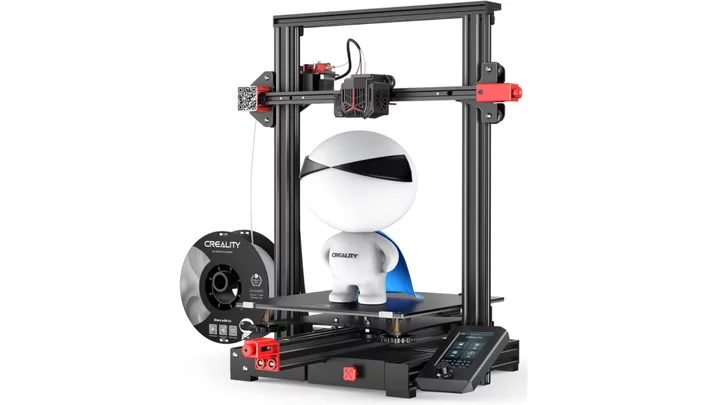
The Best Black Friday Printing and Scanning Deals: Save $100+ on 3D Printers, Inkjet and Laser Printers, and Scanners
Black Friday is one of the best times of year to invest in that home
2023-11-25 02:19
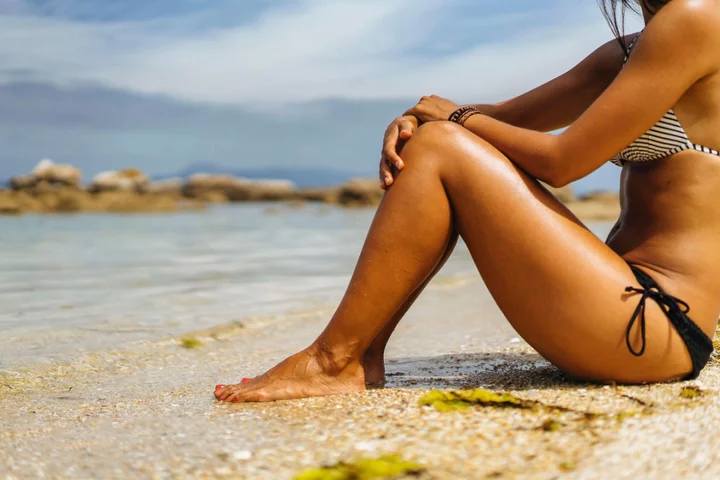
6 innovative self-tan products to help you get your best-ever faux glow
Every fake tan devotee has their Holy Grail formula – the one that glides on like a dream and leaves you with the perfect, streak-free, naturally bronzed glow. While it’s tempting to stick with a trusty favourite, with skincare innovations happening all the time you could be missing out on an even better bronze if you don’t deviate from your usual routine. Right now, there’s a host of hot new sunless tanning lotions, mists and foams that beauty buffs are loving – just in time for summer. Here are six self-tan launches that could become your next go-to… 1. Bondi Sands Technocolor Emerald 1 Hour Express Self Tanning Foam, £19.99 Introducing not one but four new formulas, Bondi Sands Technocolor range of one-hour foams is designed to suit different skin tones and avoid any orangey-ness. Sapphire creates a cool-toned tan for fair skin types; Emerald imparts an olive tan on medium skin tones; Magenta delivers a rich tan on olive to deep skin tones; and Caramel creates a warm glow on deeper skin tones. 2. Skinny Tan Limited Edition Birthday Cupcake Self-Tanning Whip, £21.99 Celebrating 10 years of terrific tans, Skinny Tan (named because of the slim ingredients list) has given its bestselling whipped mousse formula a birthday makeover. The overnight formula – which is enriched with cocoa butter and vitamin E, and develops in six to eight hours – now has a scrumptious vanilla frosting scent. 3. Utan x Jamie Genevieve CBD Tanning Water Facial Mist, £18 Utan has teamed up with make-up artist and beauty influencer Jamie Genevieve to create a complexion-enhancing tanning mist. The lightweight, antibacterial fluid delivers a subtle glow in four hours, doesn’t need rinsing off and has reportedly helped to get rid of acne breakouts. 4. St Moriz Luxe Body & Face Bronzing Mist Medium, £18.99, Boots Infused with organic rose water and soothing goji berry extract, this flora-scented spritz develops in eight hours. Use it as the last step in your skincare routine at night and you’ll wake up with a gorgeous glow. 5. Rose & Caramel Skinstant Instant Tanning Spritz, £19.99 Left it too late to do an overnight tan? This spray gives you glowing skin in minutes, drying quickly to leave a bronzed hue that washes off in the shower. Simply spritz on and blend with a tanning mitt or the Rose & Caramel Blending Brush (£12.99) to ensure a streak-free finish. 6. Xen-Glow Dark Lotion, £29.99, Beauty Flash Celeb-approved Xen-Glow (previously known as Xen-Tan) is back after a rebrand, with reformulated products. Tan-aholics will love the Dark Lotion, which comes with an olive guide colour and develops in three hours. Leave it on overnight for an even deeper bronze.
2023-06-09 16:52
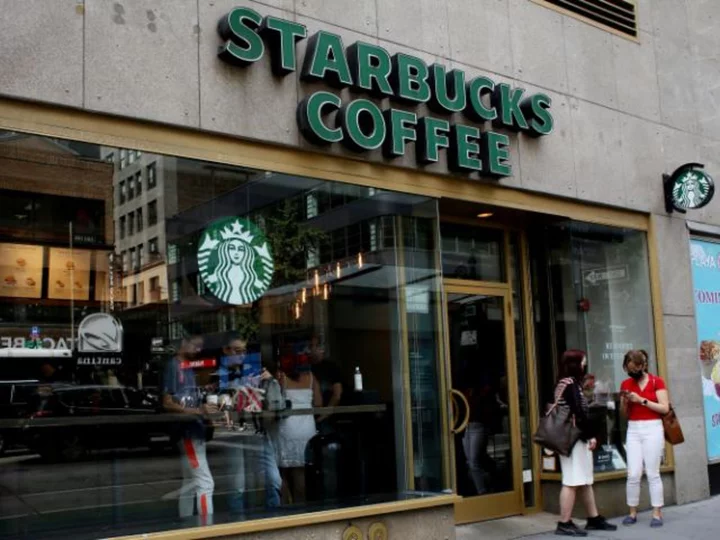
Starbucks adds $1 surcharge for some Refreshers orders
Fans of Starbucks' Refresher drinks will have to pay more if they don't add water.
2023-05-10 21:16

How to Buy, Sell, and Swap Gift Cards
You’ve received a gift card as a present that you can’t use and can’t return,
2023-11-25 03:24
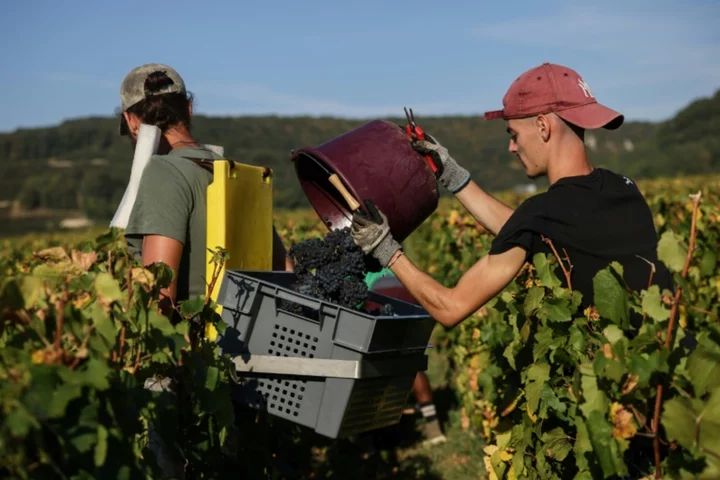
Bumper harvest calms fears of Burgundy wine bubble
It's been a bumper harvest so far in the sun-drenched Burgundy vineyards of eastern France, where some of the world's...
2023-09-14 11:18
You Might Like...
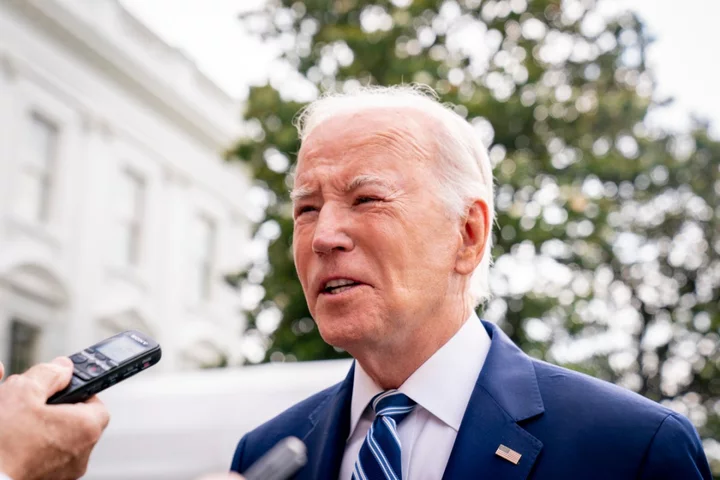
What is sleep apnea and how is Joe Biden treating his using a CPAP machine?

Get two durable 4K drones on sale for $150
On National Pineapple Day, MOD Pizza and Dole Packaged Foods Team Up to Determine the Future of Pineapple Pizza
5 Summer Dress Trends to Wear From Memorial To Labor Day
Watch 100 Years of American Dinners in Three Minutes
Millennial Money: 4 ways married couples can use tax breaks to build wealth
Chrissy Teigen posts C-section photo after surrogacy rumors surrounding her and John Legend's baby Esti
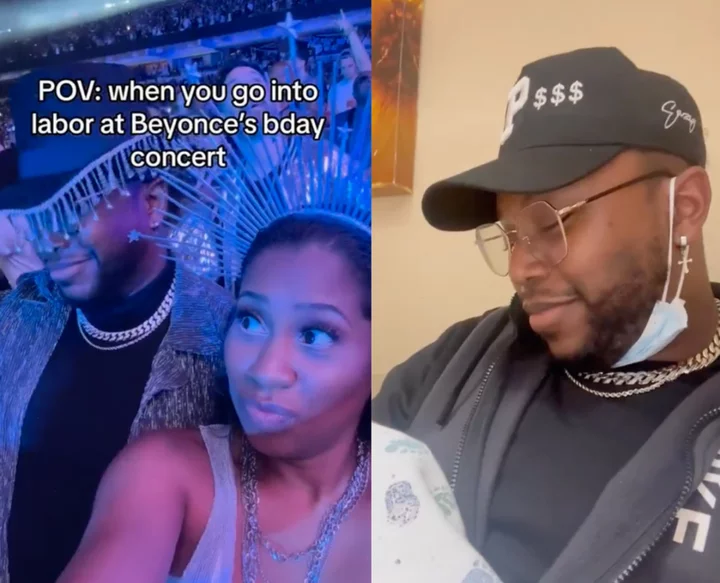
Hairspray star Sarah Francis Jones reveals she went into labour while attending Beyoncé concert