
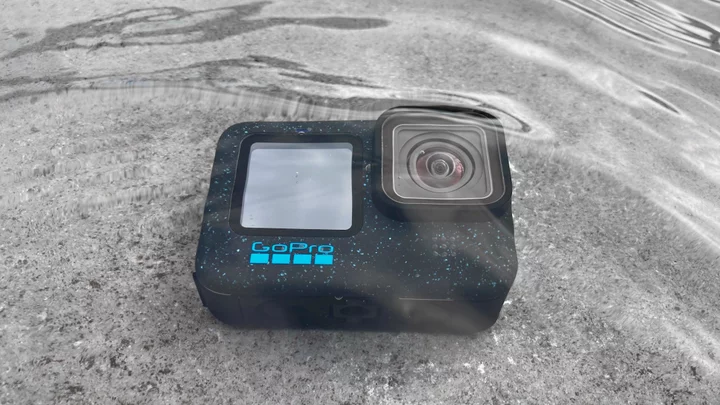
The new GoPro Hero 12 Black lives up to the hype (and there was a lot of hype)
The term "GoPro" has become an eponym for action cameras as a whole, like "Coke,"
2023-09-16 17:50
Childhood Cancer Awareness Month: What are the warning signs that your child might have cancer?
It’s heart-breaking to see a child that’s seriously ill, particularly when they’ve got cancer and might not survive. But children do get the disease – and it’s being highlighted during September’s Childhood Cancer Awareness Month. Fortunately, it’s not common. But every day in the UK, 10 families receive a cancer diagnosis for their child, teenager or young adult, and it’s the leading cause of death in children under 14, according to the charity Children With Cancer UK (CWCUK). However, Jeanette Hawkins, chief nurse at the Children’s Cancer and Leukaemia Group (funded by Young Lives vs Cancer), stresses that childhood cancer isn’t as rare as people might think, with a similar risk as diabetes, epilepsy and bacterial meningitis. “Use of the word rare for childhood cancer is a barrier to diagnosis as both GPs and parents therefore don’t consider it’s possible,” she explains. “Families, on average, have three to five GP visits before cancer is suspected. We need to reduce that by increasing awareness. Remember that childhood cancer is often a constellation of non-specific persistent symptoms, rather than a single ‘red flag’ that would alert a GP. “If you’re worried about your child keep going back.” Christiana Ogunbote, head of research at CWCUK, says childhood cancer accounts for less than 1% of all cancers in the UK, and explains there are 12 main categories of cancers affecting children, with the most common being leukaemia (30%), brain, central nervous system (CNS), intracranial tumours (26%) and lymphomas (11%). Ogunbote says cancer symptoms in children can vary widely depending on the cancer type and where it is in the body, but points out: “Often the individual symptoms of cancer can be similar to common childhood illnesses, so it can be hard to identify. “If a symptom progresses or doesn’t get better as quickly as expected, we would suggest getting it checked out by a medical professional. It’s useful for parents who know what’s ‘normal’ for their child to be aware of the signs and symptoms of cancer, as earlier diagnosis will support better outcomes for children and young people.” Here, Ogunbote outlines the symptoms of the three most common childhood cancers… 1. Leukaemia Symptoms of leukaemia in children and babies, which may be acute myeloid or acute lymphoblastic leukaemia (ALL), can include frequent and persistent infections, unusual bleeding and/or bruising, tiredness, paleness, breathlessness and, with ALL, coughing and anaemia. “Childhood leukaemia develops quickly,” says Ogunbote. “but it’s possible for some or all of these symptoms to be apparent.” She says a leukaemia diagnosis can be made from a blood test, which may reveal low numbers of normal white blood cells and large numbers of abnormal white blood cells. Further tests will then be done on a sample of bone marrow to confirm the diagnosis. 2. Brain and spinal tumours The symptoms of brain and spinal tumours (central nervous system tumours) vary between age groups, says Ogunbote, but symptoms in babies may include persistent/recurrent vomiting, balance/co-ordination/walking problems, abnormal eye movements or suspected loss of vision, behaviour change (particularly lethargy), fits or seizures (not with a fever), abnormal head position such as head tilt or stiff neck, and increasing head circumference. Children’s brain tumour symptoms are similar to symptoms in babies, but may also include a persistent/recurrent headache, blurred or double vision, fits or seizures, reduced consciousness and abnormal growth. Ogunbote says symptoms vary depending on the type and site of the tumour, and develop much more slowly with low grade tumours. But she stresses: “It’s important to remember that many of these symptoms are extremely common, and experiencing one by itself is rarely a sign of a brain tumour.” A CT or MRI scan will be done if a brain tumour is suspected, and if the scan confirms the diagnosis, further investigations will determine the type of tumour and best treatment. 3. Lymphoma Children may get a cancer of the lymphatic system known as either Hodgkin or non-Hodgkin lymphoma, and Ogunbote says symptoms of both include a persistent (lasting a few weeks) painless swelling of a single lymph gland, usually in the neck, or possibly in the armpit or groin with non-Hodgkin, a cough or breathlessness (if glands in the chest are affected), fevers, sweats, and weight loss. There may be itching with Hodgkin lymphoma, and with non-Hodgkin there may be tiredness, feeling full after a small meal, stomach pains (if abdominal lymph glands are affected), and sleep sweats. Diagnosis is confirmed by removing part or all of an affected lymph gland, usually under general anaesthetic, and doing a biopsy on it so the cells can be examined in a laboratory. Further tests, like x-rays, CT and MRI scans and blood tests, will also be carried out to determine the size and position of the lymphoma and whether it has spread. This is known as staging. “Many of the symptoms of lymphoma can also be symptoms of other illnesses, so this can make it difficult to diagnose,” explains Ogunbote. “Symptoms your child might experience depend on where the lymphoma is in their body, and symptoms vary from child to child, even if they have the same type of lymphoma.” Read More Charity boss speaks out over ‘traumatic’ encounter with royal aide Ukraine war’s heaviest fight rages in east - follow live 4 viral TikTok make-up trends you’ll actually want to try Daily aspirin dose could help prevent diabetes in older people – researchers Secondhand September: The best places to buy pre-loved fashion online
2023-09-01 16:21

Formula One announces record 24-race schedule for 2024
Formula One bosses have announced the longest calendar in the sport’s history with a record-breaking 24 races scheduled for next season. The campaign will open on a Saturday in Bahrain on March 2 and end more than 10 months later in Abu Dhabi on December 8. The British Grand Prix will take place at Silverstone on July 7, avoiding a clash with the men’s Wimbledon final, and the concluding day of golf’s Open Championship at Royal Troon. The Chinese Grand Prix in Shanghai is also pencilled in for its first F1 race since 2019. F1 races traditionally take place on a Sunday, but next year’s schedule kicks off with back-to-back Saturday night races, first in Bahrain and then in Saudi Arabia, to accommodate Ramadan. F1 CEO Stefano Domenicali said: “There is huge interest and continued demand for Formula One, and I believe this calendar strikes the right balance between traditional races and new and existing venues. “Our journey to a more sustainable calendar will continue in the coming years as we further streamline operations as part of our Net Zero 2030 commitment. “We have plenty of racing to look forward to in 2023, including the inaugural Las Vegas Grand Prix, and our fans can look forward to more excitement next season.” 2024 Formula One Calendar March 2 – Bahrain Grand Prix (Sakhir)March 9 – Saudi Arabian Grand Prix (Jeddah)March 24 – Australian Grand Prix (Melbourne)April 7 – Japanese Grand Prix (Suzuka)April 21 – Chinese Grand Prix (Shanghai)May 5 – Miami Grand Prix (Miami)May 19 – Emilia Romagna Grand Prix (Imola)May 26 – Monaco Grand Prix (Monte Carlo)June 9 – Canadian Grand Prix (Montreal)June 23 – Spanish Grand Prix (Barcelona)June 30 – Austrian Grand Prix (Spielberg)July 7 – British Grand Prix (Silverstone)July 21 – Hungarian Grand Prix (Hungaroring)July 28 – Belgian Grand Prix (Spa-Francorchamps)August 25 – Dutch Grand Prix (Zandvoort)September 1 – Italian Grand Prix (Monza)September 15 – Azerbaijan Grand Prix (Baku)September 22 – Singapore Grand Prix (Marina Bay)October 20 – United States Grand Prix (Austin)October 27 – Mexico City Grand Prix (Mexico City)November 3 – Brazilian Grand Prix (Interlagos)November 23 – Las Vegas Grand Prix (Las Vegas)December 1 – Qatar Grand Prix (Lusail)December 8 – Abu Dhabi Grand Prix (Yas Marina) Read More Charity boss speaks out over ‘traumatic’ encounter with royal aide Ukraine war’s heaviest fight rages in east - follow live
2023-07-05 22:27

Once a reliable cash cow, Amazon's cloud business slows as companies pull back on service
Amazon is kicking off its annual security-focused cloud computing conference on Tuesday amid a slowdown in its profitable cloud business Amazon Web Services, or AWS
2023-06-13 18:25
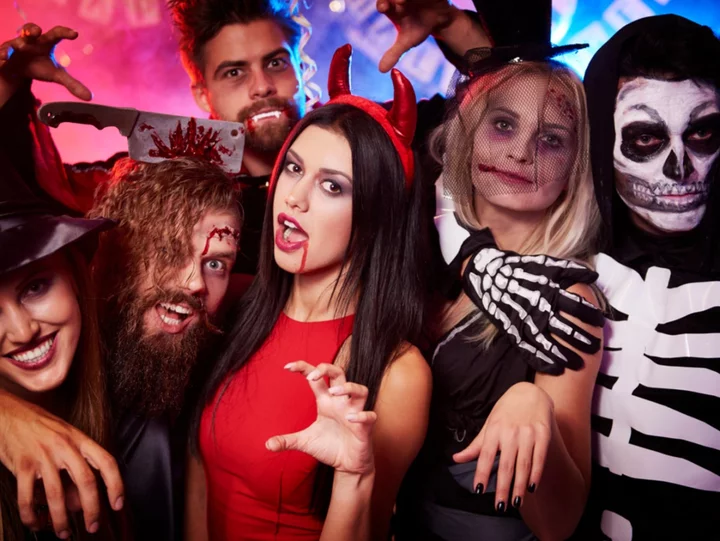
From princesses to Risky Business: How to avoid overdone costumes this Halloween
We can all agree that the pigtailed cowgirl or the smudge-faced Joker costume is all a bit overplayed on Halloween. Are they classic? Of course. But creative? No. Each year, planning for Halloween is like preparing for a middle school dance. There’s the overly-enthusiastic people who spend months drafting ideas, buying props, and purchasing outfits until the picture in their head becomes a reality. Then there’s the not-so-thrilled ones, who dread Halloween and leave their look for the last minute. I’m the latter. Still, both groups are guilty of making one simple mistake: reproducing the same characters and costumes, only to find five or six more of the same costume at every Halloween party. While it can seem nearly impossible to think of an original and unique Halloween costume idea, it’s actually very doable. Here’s how to avoid overdone costumes this Halloween. The key is to abstain from “eleventh hour” looks - princesses, Grease-themed outfits, and even the classic Tom Cruise in Risky Business costume. It’s time to retire these iconic characters, even though they often require minimal thought, and consider something unique instead. There’s always the internal dilemma of not wanting your costume to be too obscure, or else no one will know who you are. Nobody wants to receive uncomfortable blank stares and pity nods when asked about their Halloween costume. For example, I was Violet Beauregarde from Charlie and the Chocolate Factory for Halloween last year. But because I wasn’t packing a blow-up suit underneath my blue track set, not one person guessed who I was, even though I had a blue nose and chewing gum. Depending on how much you care about people recognising your Halloween costume, there are few things to keep in mind so that you appear original on the spooky holiday. Avoiding unnecessary consumption is beneficial to both your wallet and your costume. If you begin by looking for ideas while shopping, you run the risk of purchasing pieces and props that you’ll never wear again. Steer clear of all Halloween-themed stores until you have an idea, and don’t go looking for inspiration in stores that organise their inventory based on typical Halloween characters. Run through your wardrobe. You don’t have to own eccentric clothing or accessories to use something already in your closet. An old blazer, a button-up shirt, and a pair of suspenders are all perfect for a Peaky Blinders-inspired look. Meanwhile, a flowing white dress and cream-coloured headband is the foundation for Florence Pugh’s finale outfit in Midsommar. If there’s absolutely nothing from your personal collection that could work as a Halloween costume, I suggest digging through your local thrift store to find one-of-a-kind items you wouldn’t find on the rack of every other retailer. Plus, you can always add something extra to a character or costume idea to make it more personalised. If you have a favourite film and found an item that can easily become a costume, try to incorporate elements of the movie or character into your costume so that it connects to the overarching theme without being so basic. For example, take the Barbie movie. Director Greta Gerwig’s live-action film prompted a pink fad for the summer, so it’s likely you’ll be spotting many people dressed as the Mattel doll for Halloween this year. While it’s more than fine to be dressed as everyone’s current obsession, try embodying a different version of Barbie - Weird Barbie, President Barbie, or Mermaid Barbie. This way, you can fuse easily recognisable elements of the iconic doll, like her blonde tresses or cursive “Barbie” branding, while still wearing something other than a white tank top and hot pink mini skirt. It’s okay to think outside of the box and show up in a costume that’s not automatically recognised by Halloween partygoers. It can even be a great conversation starter and you’ll feel more triumphant when someone does recognise your Halloween costume. Remeber, if model and Halloween superstar Heidi Klum can manage to shock each year with an unexpected and original look, then so can you. Read More Halloween decorations 2023: From Ghosts to Jack-O-Lanterns. Here are some idea’s for the spooky season Jellycat’s new Halloween cuddly toys have landed in time for spooky season Heidi Klum hints at her ‘really extra’ 2023 Halloween costume: ‘It’s going to be good’ 11 best kids’ Halloween outfits that will scare and delight 9 best horror stories to read this Halloween and beyond Kourtney Kardashian’s skeletons and other celebrity inspiration for Halloween
2023-09-28 05:52

Anthony Anderson opens up about keeping his mom Doris Bowman off 'all the young men' during their vacation: 'My mom's a big freak'
'There wasn’t enough food on the spoon for my mother to be happy. She went to her room and ordered room service,' said Anthony Anderson
2023-06-20 04:50

New Zealand says it's the first to ban thin plastic bags from supermarkets
New Zealand’s government says that from Saturday, it will be the first nation in the world to ban the thin plastic bags that supermarket customers use to collect their fruit and vegetables
2023-06-29 13:24

100+ Best Black Friday Electronics Deals: Save Big at Amazon, Walmart, and More
This is not a drill: Black Friday, the best time for the biggest sales of
2023-11-24 12:55

Thanks to Travis Kelce, Swifties enter their football era
Yesterday (Sept. 24), Swifties watched with eagle-eyed precision as Taylor Swift cheered from the VIP
2023-09-26 02:29
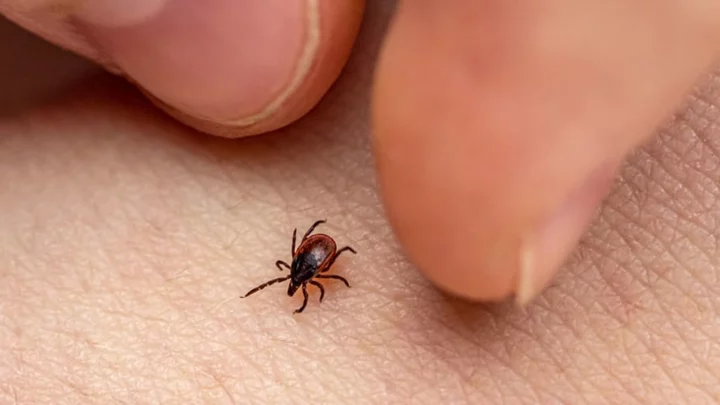
A Little-Known Tick Trick Allows Them to 'Jump' Onto Your Skin
Ticks can't fly, but they can still defy gravity to start sucking your blood.
2023-07-21 05:21

The best camera drones for aerial photography
This content originally appeared on Mashable for a US audience and has been adapted for
2023-06-02 18:20
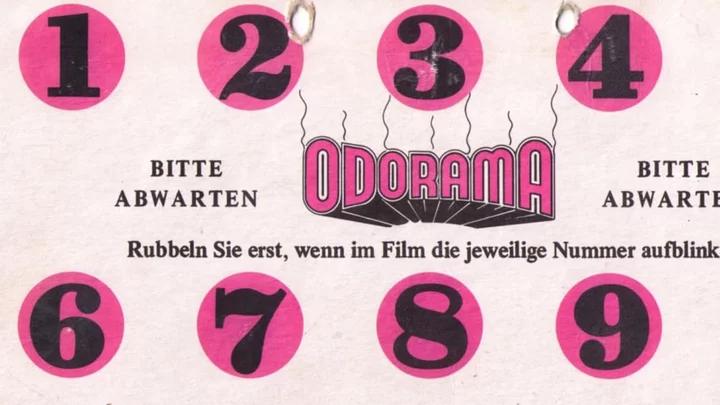
Scratch and Sniff: The Fad That Was Destined to Fade
Like a pineapple-scented sticker on a lunchbox, the scratch and sniff fad wasn’t built to last.
2023-06-06 03:15
You Might Like...

How to watch India vs Australia 2023 ODI series online for free
Reddit removes mods as subreddits continue protesting unpopular API changes

21 of the best Stanford University courses you can take online for free

Max Verstappen breaks unique 40-year F1 streak after title win in Qatar
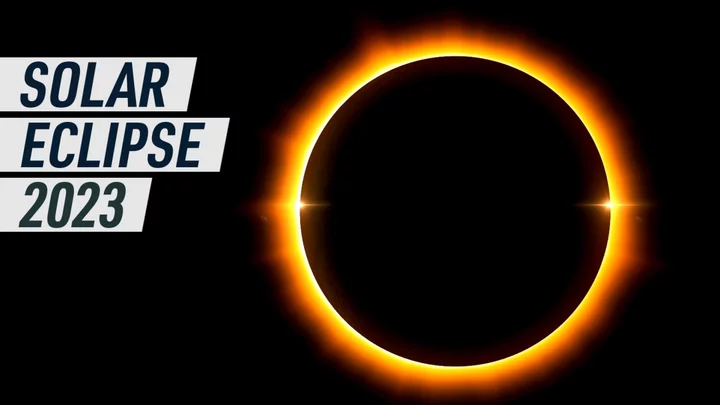
How to safely view the Solar Eclipse on October 14th
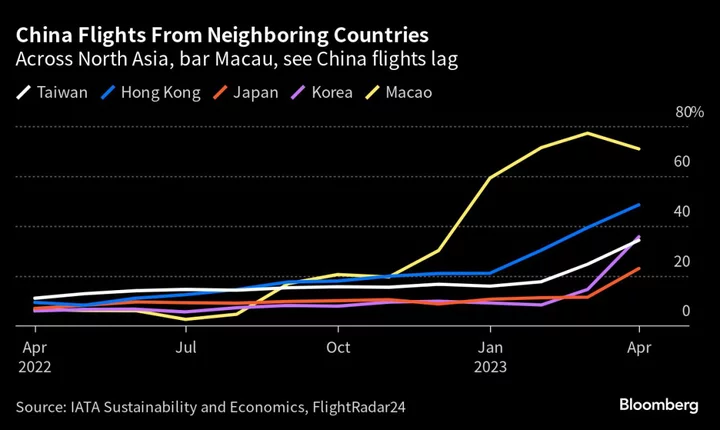
China’s Open for Travel But Few Tourists Are Coming or Going

Anheuser-Busch is writing checks to distributors as Bud Light sales sink

Save up to $250 on MacBooks on sale at Best Buy right now