

Toilet invented that is so slippy nothing can leave skid marks
A 3-D-printed toilet has been invented and the surface is so slippery that nothing can leave a mark on it. Cleaning the toilet has to be one of the grimmest household chores, but thanks to new material, you may never have to scrub a loo again. The toilet is the invention of Yike Li at Huazhong University of Science and Technology in Wuhan, China, who, alongside colleagues, invented a toilet whose surface is so slippery that nothing stains it and uses less water for each flush. The team created a prototype of the toilet around 10 times smaller than a real one. It was made using 3D printing technology, where particles of plastic and hydrophobic sand grains were fused together with lasers. The surface of the toilet was lubricated with a type of silicon oil that also penetrated the surface due to the complex structure of the material. The team tested the toilet with a variety of substances, including honey, yoghurt, muddy water as well as synthetic faeces. They found that none of the substances stuck to the toilet bowl. Amazingly, the toilet was just as slippery after having been rubbed with sandpaper over 1,000 times, which Li believes is due to the oil being able to penetrate the material of the toilet. Li believes the technology would be suited for settings in which a toilet gets a lot of use, such as on modes of transport and in public toilets. He explained: “The reduced flushing volume would result in less wasted water during transportation to the processing facilities, thereby saving transportation costs.” But, before that can happen, Li says the technology needs to be adapted for use on a full-sized toilet and also needs to be cheaper to make. You can see the toilet in action below courtesy of New Scientist. Nothing can stick to this 3D-printed slippery toilet youtu.be Sign up to our free Indy100 weekly newsletter Have your say in our news democracy. Click the upvote icon at the top of the page to help raise this article through the indy100 rankings.
2023-08-22 20:24

Roasted grape, honey and feta crostinis are perfect dinner party canapes
This creation is heavily inspired by one of my favourite signature bakes in the Bake Off tent,” says Crystelle Pereira, who was a runner-up on the show in 2021. “I had made a focaccia during Bread Week, with roasted grapes, sharp, salty feta, crunchy walnuts and fresh fennel. “It went down a treat, and so I’ve transferred all of the same flavours and textures into crispy crostini – little bites of sweet and salty deliciousness.” Roasted grape, honey and feta crostini Ingredients: For the infused oil: 50ml olive oil 2 garlic cloves, grated ½ tablespoon dried thyme For the crostini: 240g black seedless grapes (about 24 grapes) 200g feta 10 walnuts, skin on 1 small baguette 1½ tablespoons runny honey ¼ fresh fennel bulb, thinly sliced (optional) A bunch of fresh thymea pinch of fine sea salt and ground black pepper Method: 1. Preheat the oven to 180C fan/400F/gas mark 6. 2. First make the infused oil. Place the olive oil in a small saucepan with the garlic and thyme and heat very gently over a low heat for about 10 minutes, until the oil is sizzling and fragrant. Turn off the heat and set aside. 3. Arrange the grapes in a roasting tray and spoon over 3 teaspoons of the infused oil. Toss the grapes until they are coated, then place in the oven and roast for 20 minutes, until they are sizzling and the skins have shrivelled slightly. Allow to cool, then slice each grape in half lengthways. 4. Place the feta in a food processor with a splash of feta water (or a splash of milk if your feta does not have water), a good pinch of pepper and a tiny pinch of salt and blend until completely smooth. 5. Place the walnuts in a dry frying pan over a medium heat and toast for around 7 minutes until slightly browned and fragrant. Allow to cool slightly, then break into small pieces and set aside. 6. Slice the baguette diagonally into thin crostini slices (about 1.5cm thick) and drizzle a teaspoon of the infused oil over each slice. Place these on a tray and toast in the oven for 7–10 minutes until crispy and golden, or alternatively cook on a griddle pan over a high heat for 4 minutes, flipping halfway through. 7. To assemble, spread 1 heaped teaspoon of whipped feta over each crostini and drizzle with honey. Top with about 4 grape halves and a scatter of fennel, crushed walnuts and fresh thyme leaves, and serve straight away. Recipe from ‘Flavour Kitchen: Vibrant Recipes with Creative Twists’ by Crystelle Pereira (Kyle Books, £22). Read More BBQ salad recipes without a soggy lettuce leaf in sight Grace Dent’s quick and easy recipes that only require the microwave How to shop for and cook Japanese food at home like a pro Crystelle Pereira: ‘This is controversial but... French food isn’t that great’ Forest Side, review: Cumbrian produce elevated to Michelin-starred proportions Showstopping BBQ main dishes for a hot grill summer
2023-06-14 17:17

TP-Link Archer AX5400 Pro Review
Designed for midsized houses and moderate budgets, the TP-Link Archer AX5400 Pro ($199.99) is a
2023-08-17 05:26

Amanda Holden’s most extravagant fashion from the BGT live shows
Amanda Holden has kicked off the first round of Britain’s Got Talent live shows in eye-catching style. The TV judge and radio host is known for her colourful and daring fashion choices – and she’s been pulling out all the stops for the semi-finals of the popular talent show. Holden, 52, wowed in a bright yellow latex ensemble for the first live show. The outfit – by Atsuko Kudo Couture Latex Design – was made up of a corset top and matching skirt with a long train. The Plain Paris Cup Bustier Corset retails at £654.17, and the skirt costs £329.17. For the second night’s look, Holden tapped into the ever-popular trend for ‘nearly naked’ dresses. The strapless, semi-sheer dress had delicate floral embroidery and a dramatic leg slit. It was by Vietnamese designer Tran Hung, a brand with a romantic take on eveningwear. Hung’s designs have previously been worn by Bridgerton actor Nicola Coughlan, Little Mix singer Leigh-Anne Pinnock and Love Island’s Tasha Ghouri. Holden tends to prefer long gowns for her TV appearances, but she’ll occasionally experiment with a mini. This silver leopard print dress with a halterneck was by celebrity-favourite designer Miss Sohee – known for her dramatic gowns, one of her custom designs was recently worn by actor Halle Bailey at The Little Mermaid premiere in London. Holden accessorised the look with on-trend platform heels – D’Accori’s Satin Platform Pumps, retailing at £950 from Harrods. For the most recent live show, Holden chose an experimental white two-piece. The top was a bespoke moulded bustier with a rippling effect by Cameron Hancock, paired with a strappy white column skirt from Monot – a cult brand known for its ultra-sexy cut-out designs. Holden gave the look a Grecian vibe, with chunky gold jewellery and a slicked-back topknot. Read More Charity boss speaks out over ‘traumatic’ encounter with royal aide Ukraine war’s heaviest fight rages in east - follow live Big Issue teams up with fashion designers to launch range of T-shirts How to do gel nails at home like a pro ‘Unsupportive backgrounds’ make LGBT+ youth twice as likely to have suicidal thoughts – report finds
2023-06-02 17:58
Apple Pledges Support for Nationwide Right-to-Repair Bill
Apple is renowned for making its devices hard to repair, but yesterday the company pledged
2023-10-25 18:52
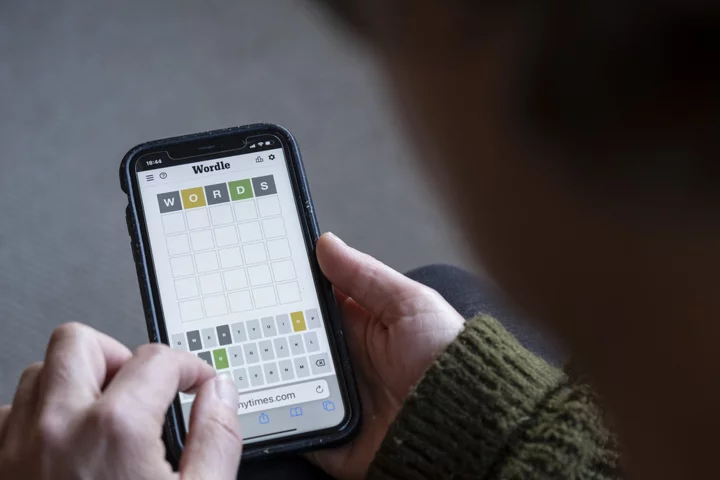
Wordle today: Here's the answer and hints for October 19
It's Thursday, which means there's a new Wordle for you to solve. As always, we're
2023-10-19 17:23

Apple reboots the Steve Jobs reality distortion field
Irony alert: the phrase "reality distortion field," famously applied to Apple co-founder Steve Jobs, is
2023-06-09 17:53

‘Maestro’ review: Bradley Cooper falls just short of greatness once again
Maestro, Bradley Cooper’s second outing behind the camera, is an enormous stylistic departure from his
2023-09-04 21:25
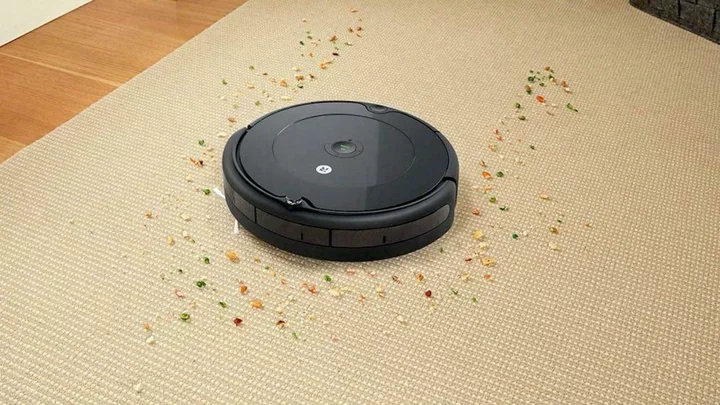
Save 45% on this pet-friendly Roomba robot vacuum this Prime Day
TL;DR: The iRobot Roomba 692 robot vacuum is on sale for $164.99 this Prime Day,
2023-07-12 16:18

'Birth/Rebirth' review: A chilling 'Frankenstein' for the post-Roe v. Wade era
Birth/Rebirth will grab you by the guts with its mercilessly scary opening sequence. It's not
2023-08-17 17:59

'Cyberpunk 2077: Phantom Liberty' expansion set for September release
CD Projekt Red has officially announced the release date for the much-awaited Cyberpunk 2077 expansion,
2023-06-12 02:53

Ferguson’s Minnesota Harvest Opens Farm for Annual Family Fun Tradition
JORDAN, Minn.--(BUSINESS WIRE)--Aug 10, 2023--
2023-08-10 17:16
You Might Like...

Thousands of e-cigarettes are pouring into the US despite FDA crackdown on fruity flavors

Trader Joe’s issues sixth recall in less than six weeks
The Most Famous Vibrator On Amazon, According To 58,000 Orgasmic Reviews

TikTok to More Clearly Label Videos That Are AI-Generated

Japan: Okinawa port turns blood red after beer factory leak

Be wary of scams as Amazon Prime Day kicks off, experts warn

Ron DeSantis and Jesse Watters Ate Pizza on FOX News

'Quordle' today: Here are the answers and hints for May 21